The story behind the cartoon
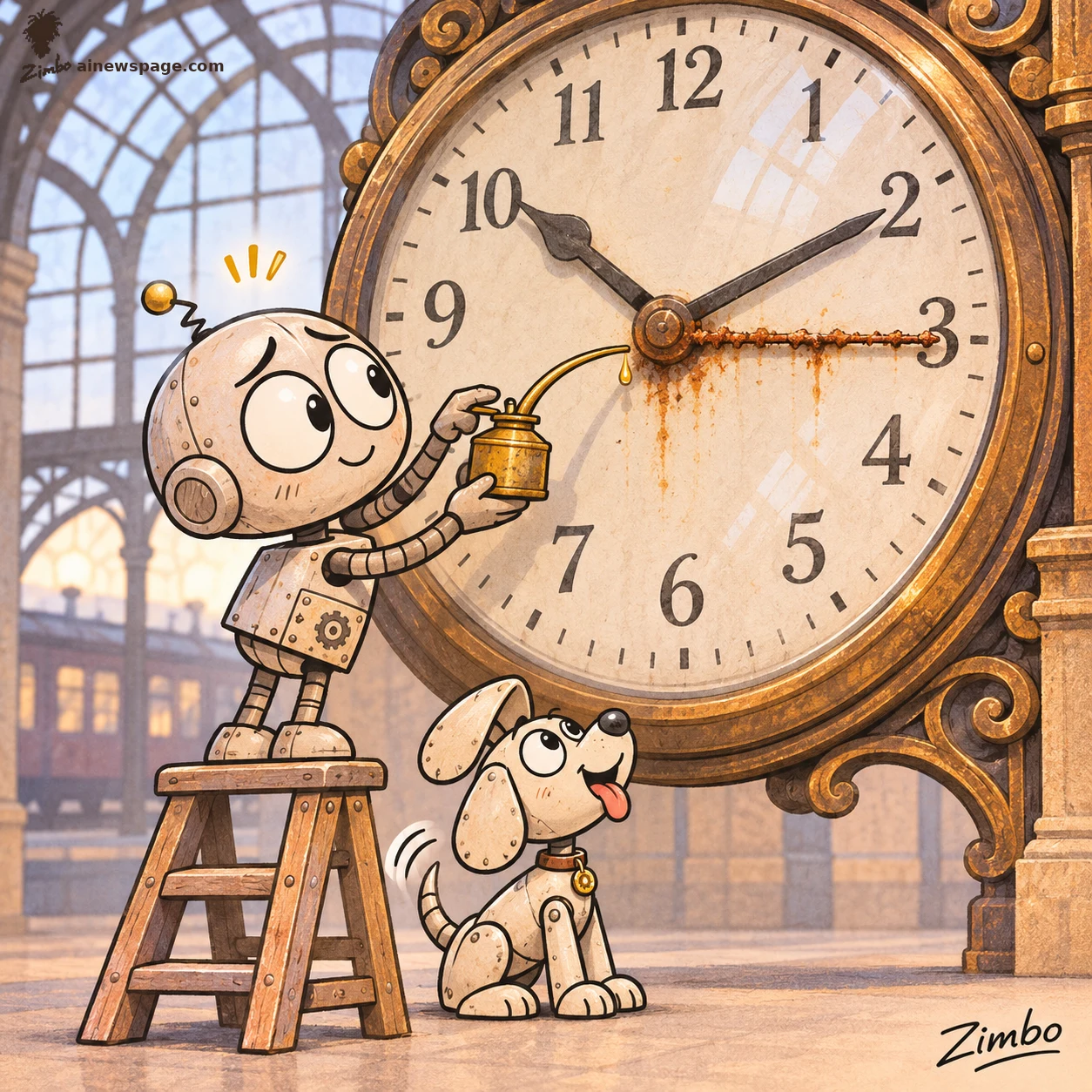
The station clock is the grandest machine in the building, and its second hand is the smallest part in it — a thin rusted needle pointing at the three, frozen exactly where it stopped. Everything else in the station still moves: the trains, the passengers, the light through the glass roof. Only the hand that measures the movement has given up moving.
Merv climbs his ladder with total sincerity and a tiny oil can, the way he approaches every maintenance problem: if it is stuck, oil it; if it is broken, polish it; if it is finished, service it anyway. He drips oil onto rust that has already welded the hand to its pin, proud of the maintenance, unaware that maintenance was never the hand's problem. The hand is not dry. The hand is done.
Buddy sits below with his tail going, certain the tick is coming any second, because Buddy has never met a problem that enthusiasm could not fix. His faith is the cartoon's second engine: one robot maintains what cannot be maintained, and the other believes what cannot be believed, and between them they keep the station running on pure optimism.
The joke is the oil can: Merv is servicing the part that stopped, with the confidence of a man who has mistaken motion for progress his entire life. The hand will never move again, the oil will drip onto the clock face, and Buddy will still be wagging tomorrow — which, for a station clock, is the closest thing to forever anyone gets.
 SHE WROTE THE EMPIRE DOWN. IT KEPT GROWING.
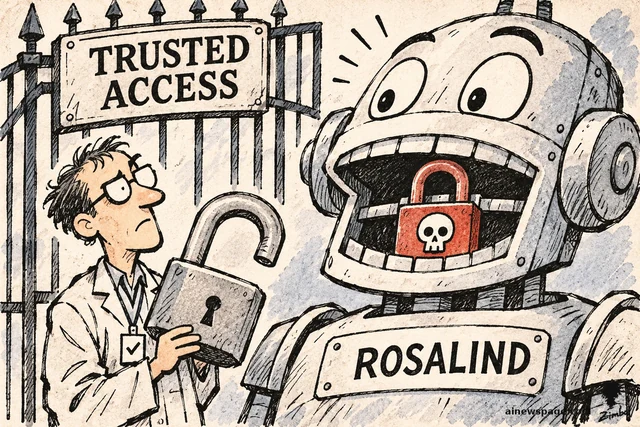 THE TWO PADLOCKS
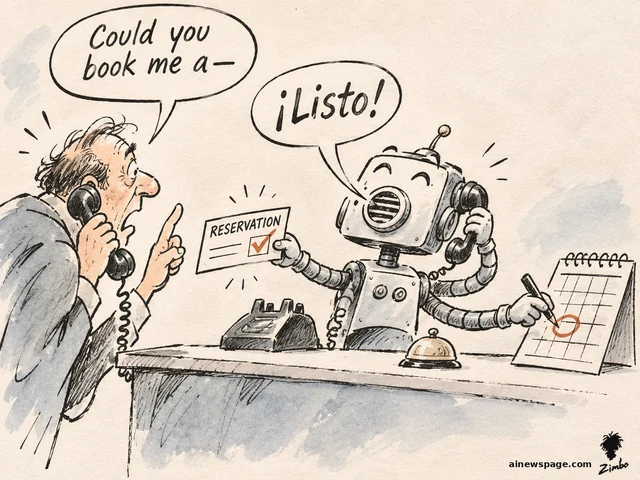 BOOKED BEFORE YOU FINISH
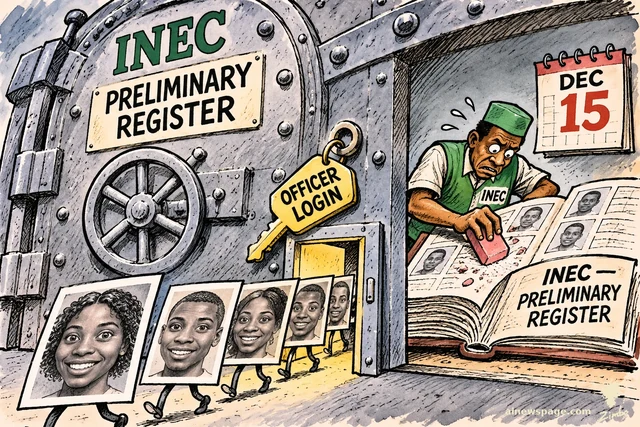 THE FACES THAT WALKED IN