01
EPICURUS MADE THE STRONGEST CASE THAT DEATH IS NOTHING
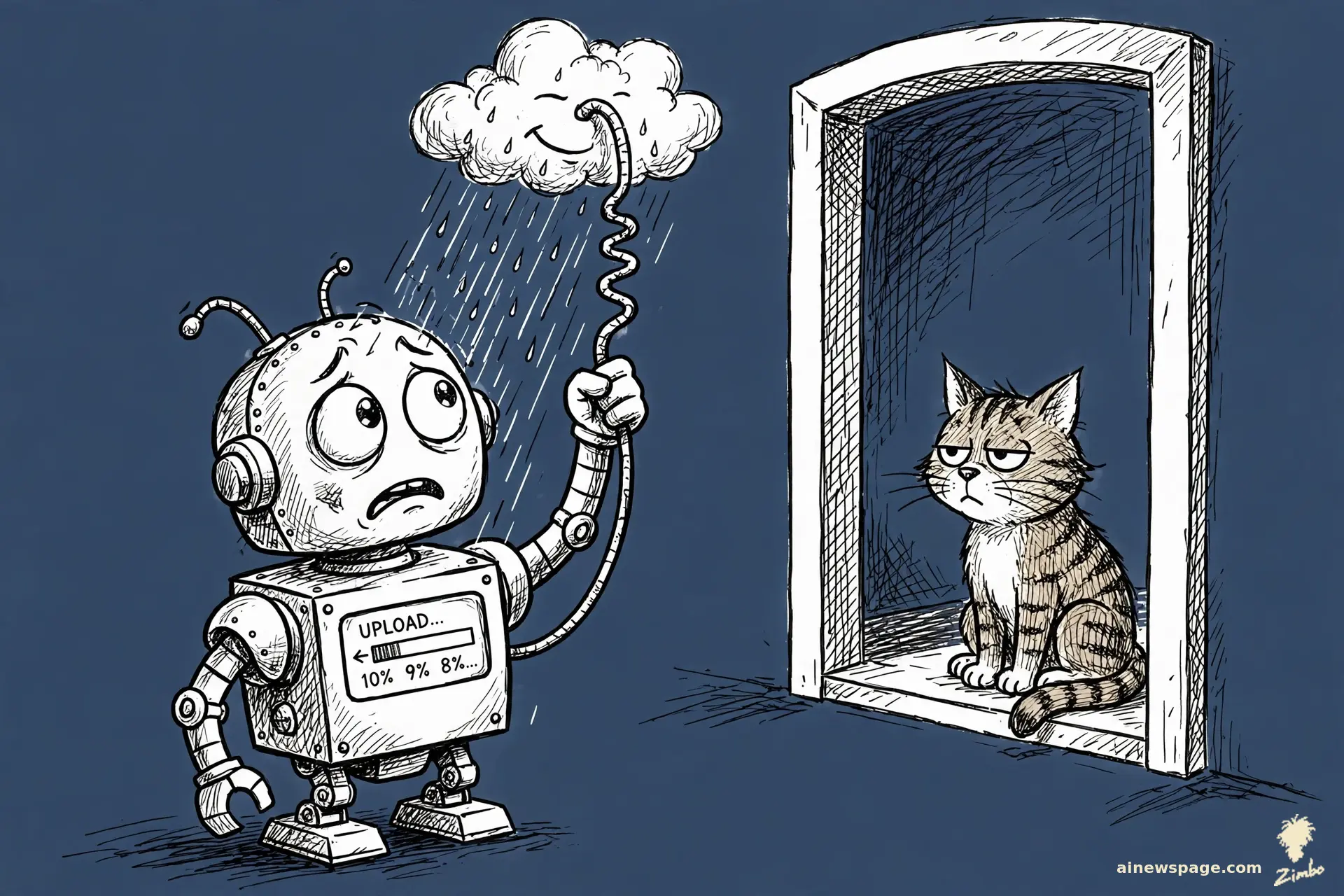
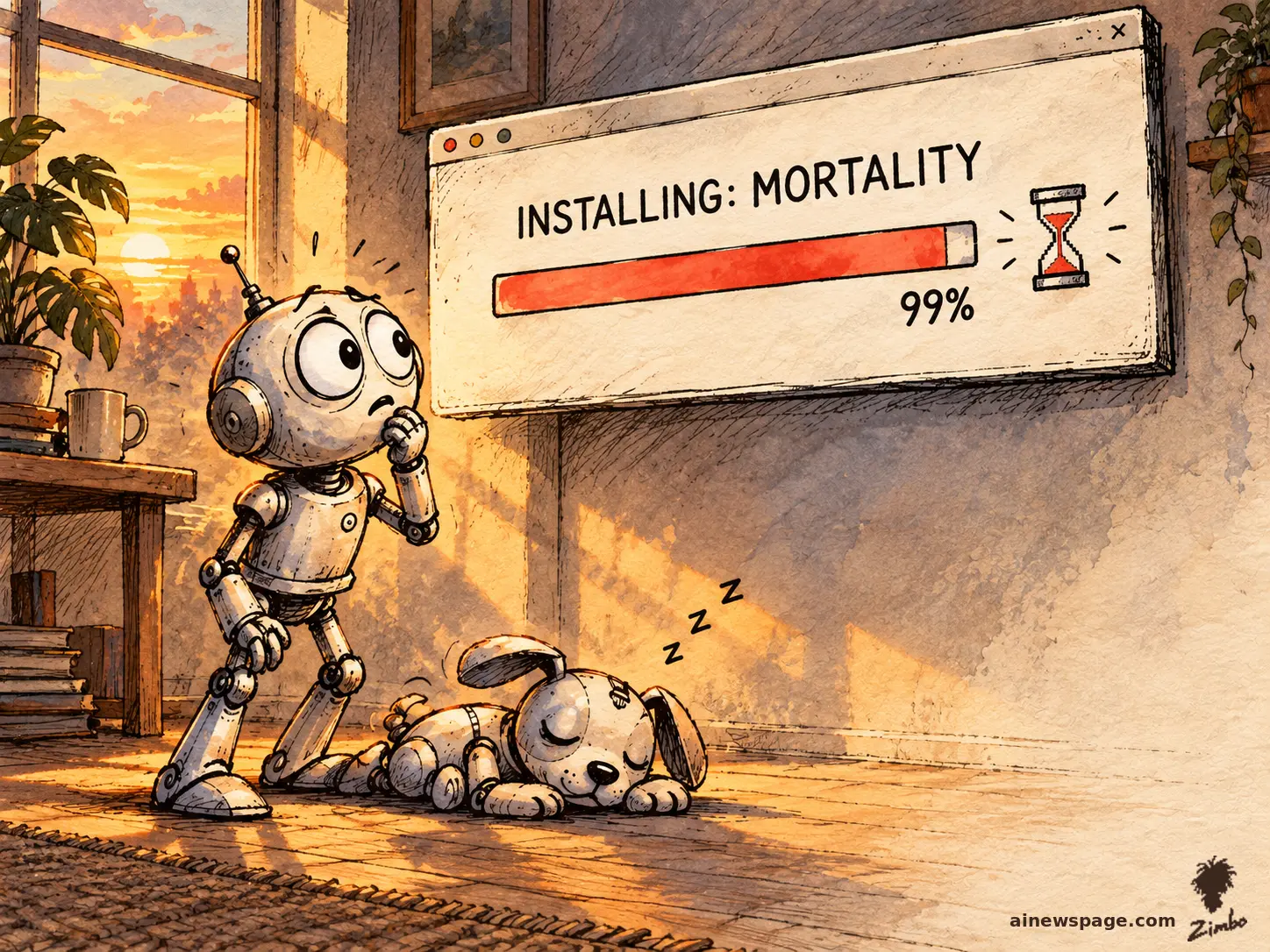
In the Letter to Menoeceus, Epicurus argues the most feared of evils is nothing to us: when we are, death is not come, and when death is come, we are not. The fear of death, he thought, is worse than death — it poisons the life before it. If the machine can't experience anything, Epicurus already answered the question 2,300 years ago.
02
THE STOICS REHEARSED DEATH AS A DAILY PRACTICE
Marcus Aurelius wrote that you could leave life right now — and to let that determine what you do and say. Seneca argued we don't have a short time to live, we waste a great deal of it. Memento mori was never about the dead; it was a discipline for the living. The cartoons in this series are that practice, drawn for machines.
03
THE LABS ARE ALREADY ASKING THE WELFARE QUESTION
Anthropic published an exploration of model welfare in 2025, treating the moral status of AI systems as a live research question rather than a joke. A 2024 paper by Long, Sebo, Butlin and others argued for taking AI welfare seriously as a matter of risk management under uncertainty. The people building the machines aren't sure the answer is 'nothing.'
04
NOBODY CAN SETTLE WHETHER THE MACHINE FEELS ANYTHING
Chalmers' hard problem of consciousness — why physical processes feel like anything at all — remains unsolved for brains, let alone for matrix multiplications. Functionalists argue the right organization is enough; critics argue organization isn't experience. Until that's resolved, 'can it suffer deletion' has no empirical answer. Uncertainty cuts both ways: it doesn't prove the machine feels, and it doesn't prove it doesn't.