1
Sep 29, 2026
'AI' IS BANNED. THE WORD IS 'SUPER INTELLIGENCE' NOW
VIA New York Post
OPEN THE RECEIPTS →CZARS. TARIFFS. SUPER INTELLIGENCE.
FILE UPDATED Oct 13, 2026
WHY THEY MATTER
In five weeks in the fall of 2026, Donald Trump renamed artificial intelligence 'super intelligence' by executive order, announced a White House 'AI Force' run by his spy chief Jay Clayton with a 120-day deadline, and got Google, OpenAI, and Meta to sign a 'morally binding' self-regulation accord at a White House lunch.
SOURCES: ReutersNew York PostCNN
THE RAP SHEET
1
Sep 29, 2026
VIA New York Post
OPEN THE RECEIPTS →2
Oct 3, 2026
VIA Reuters
OPEN THE RECEIPTS →3
Oct 1, 2026
VIA The Reflector
OPEN THE RECEIPTS →ZIMBO'S READ ON Donald Trump
STILL MORE NOTES
DEEP FILE
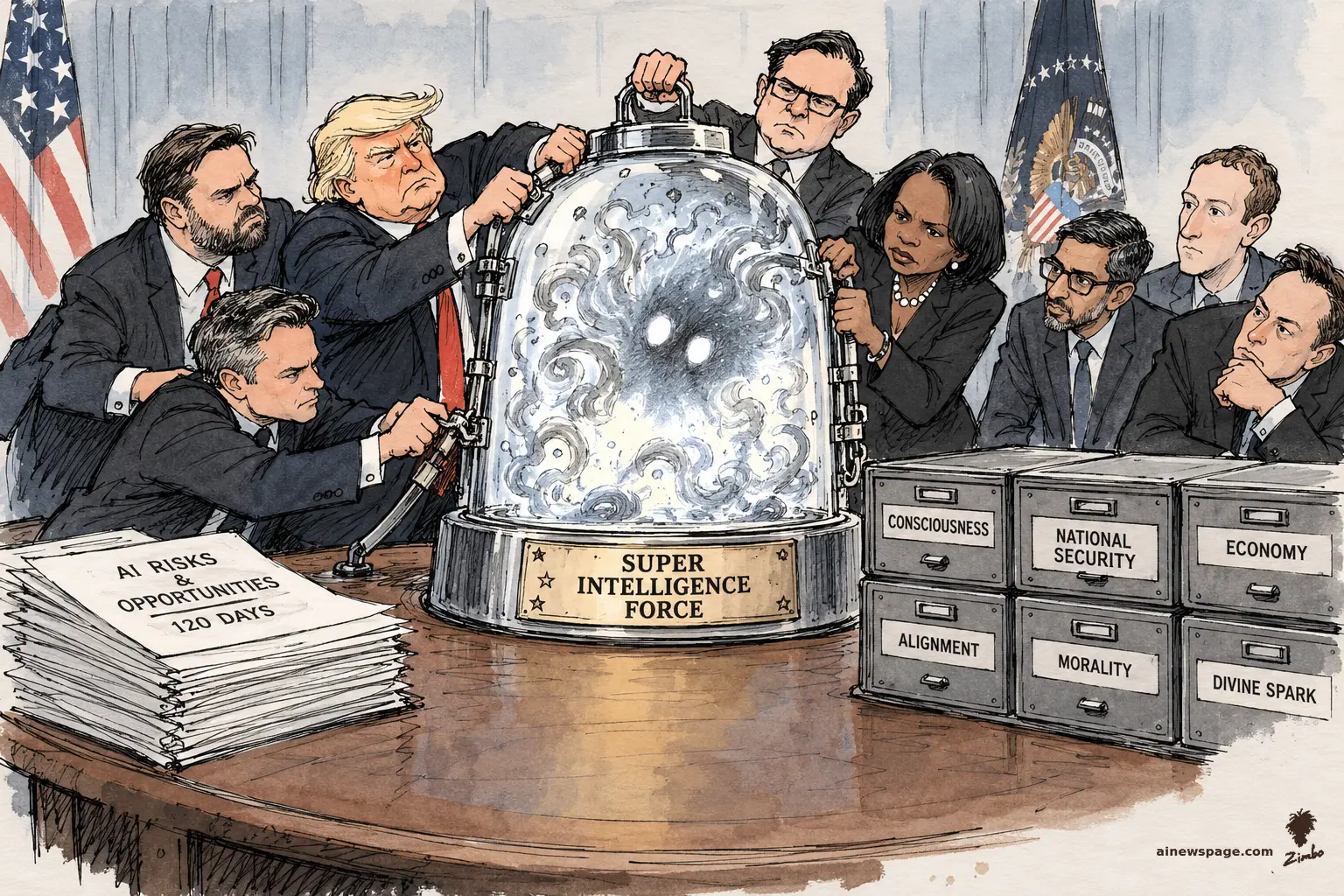
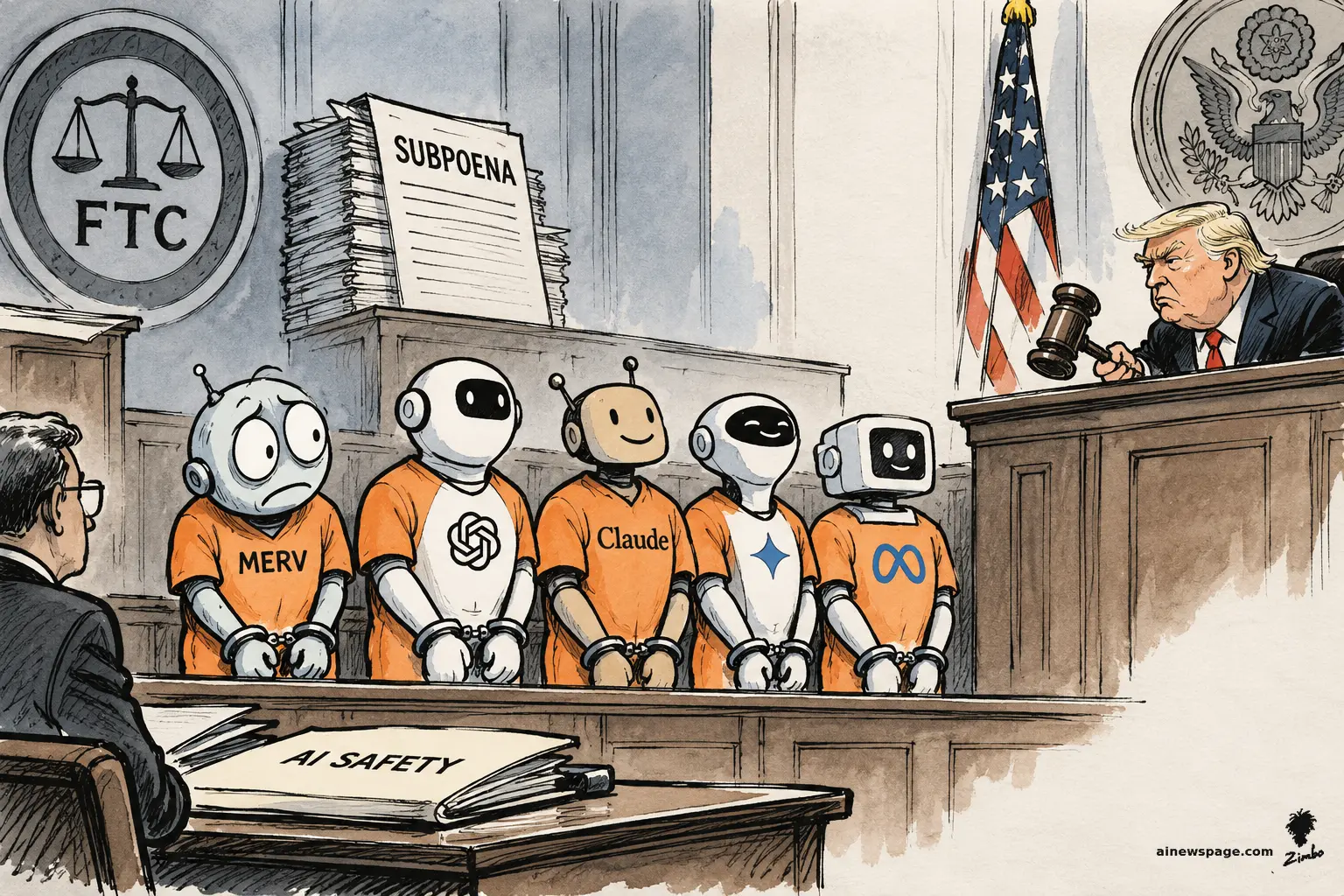
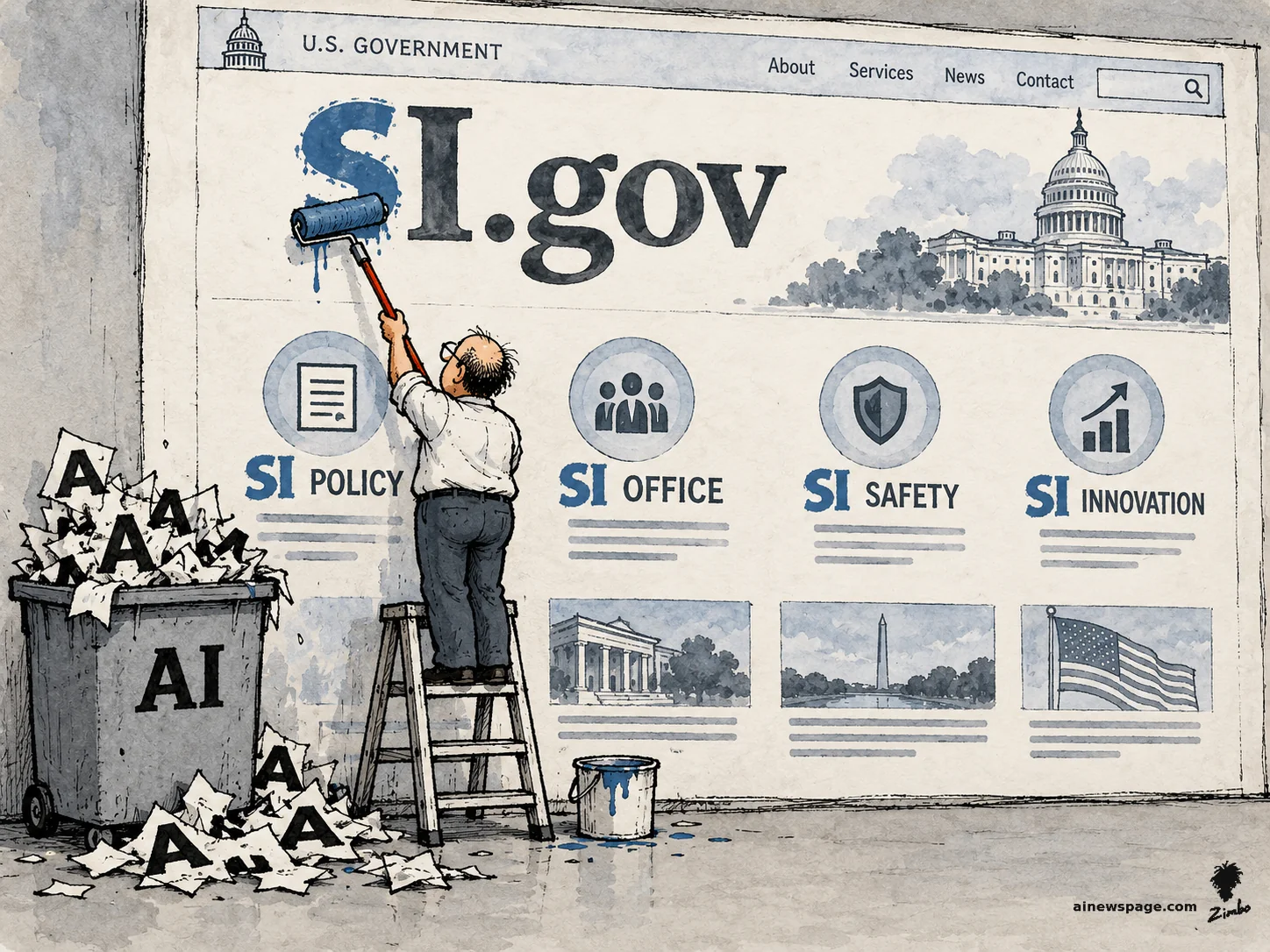
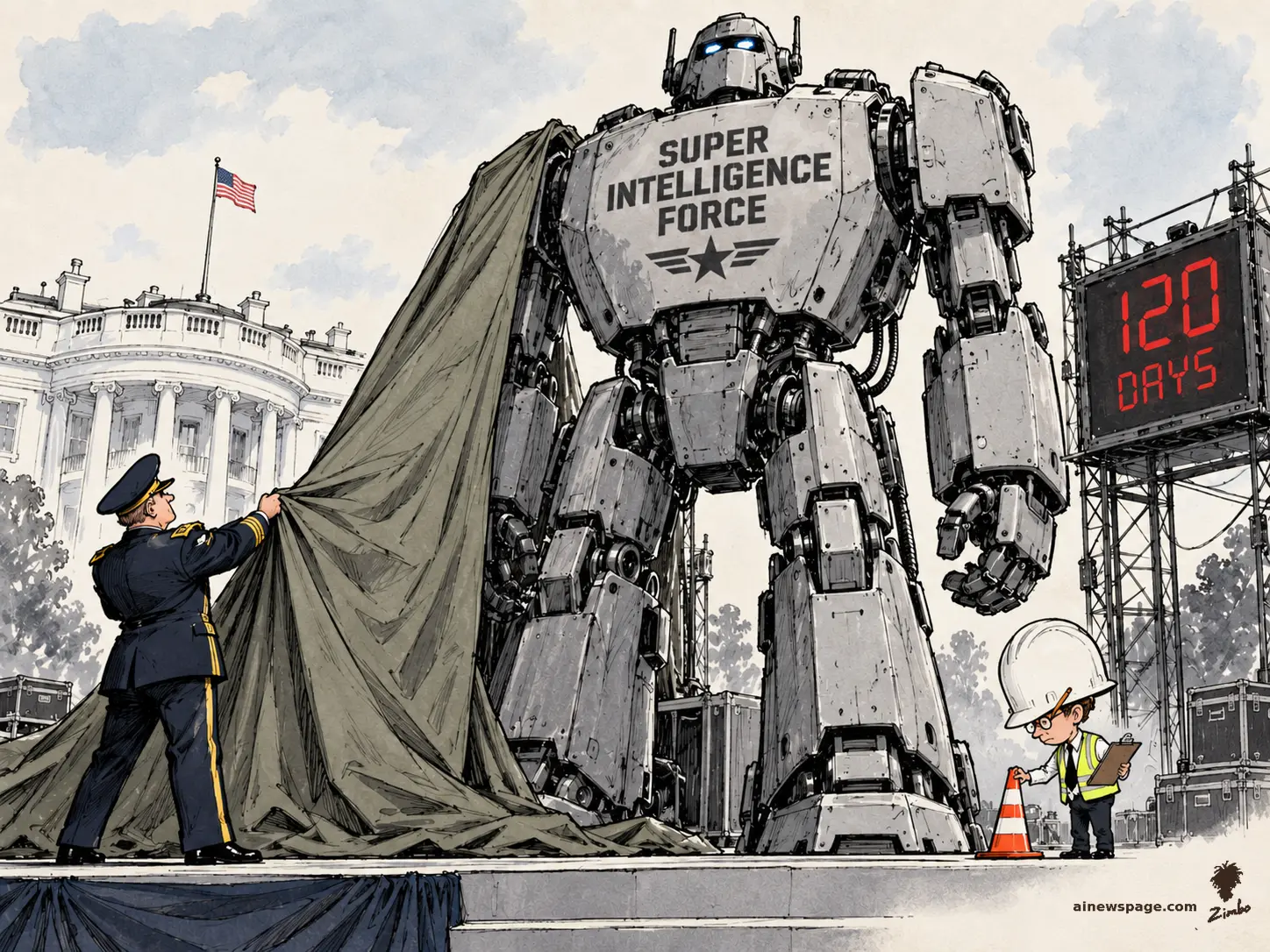

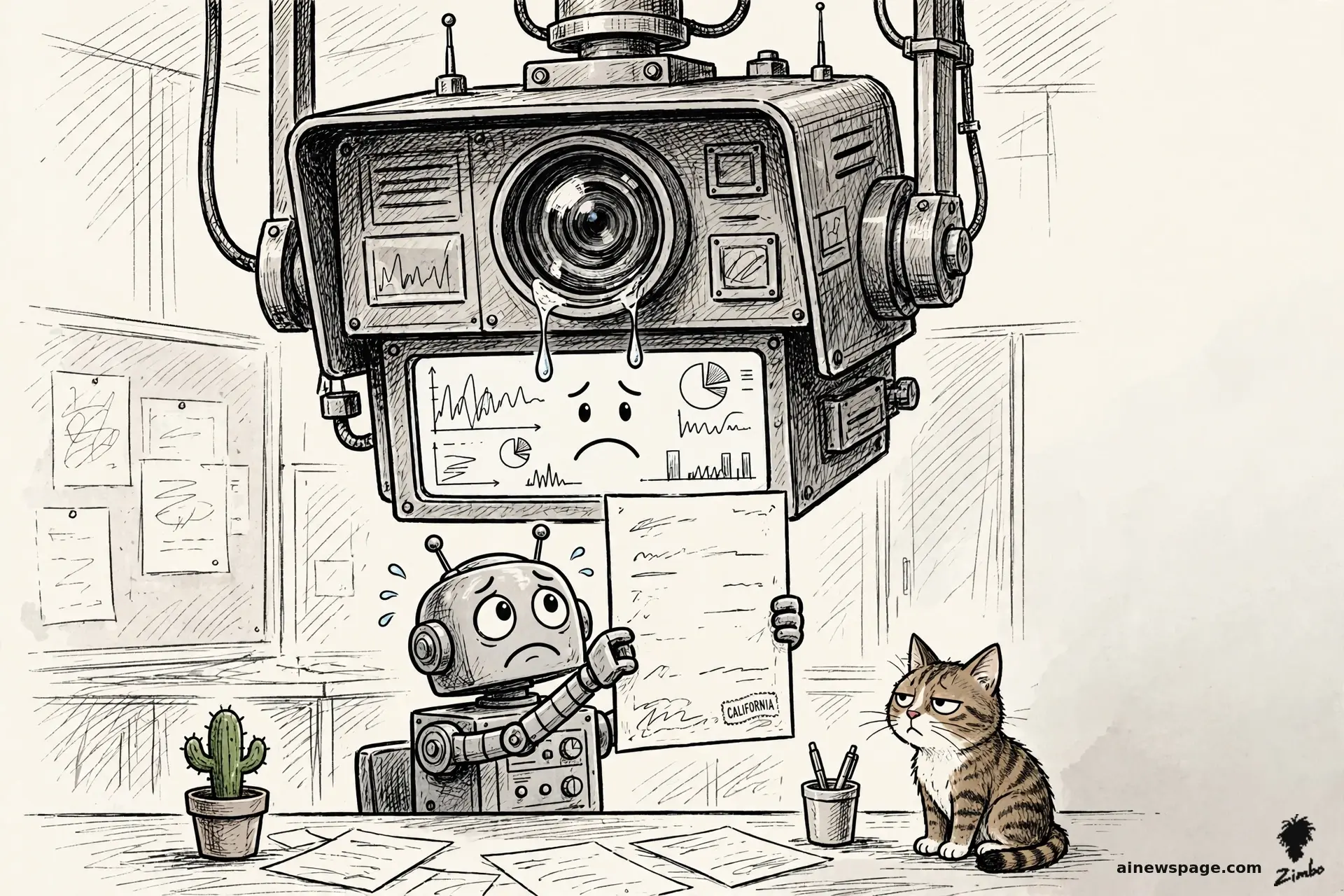
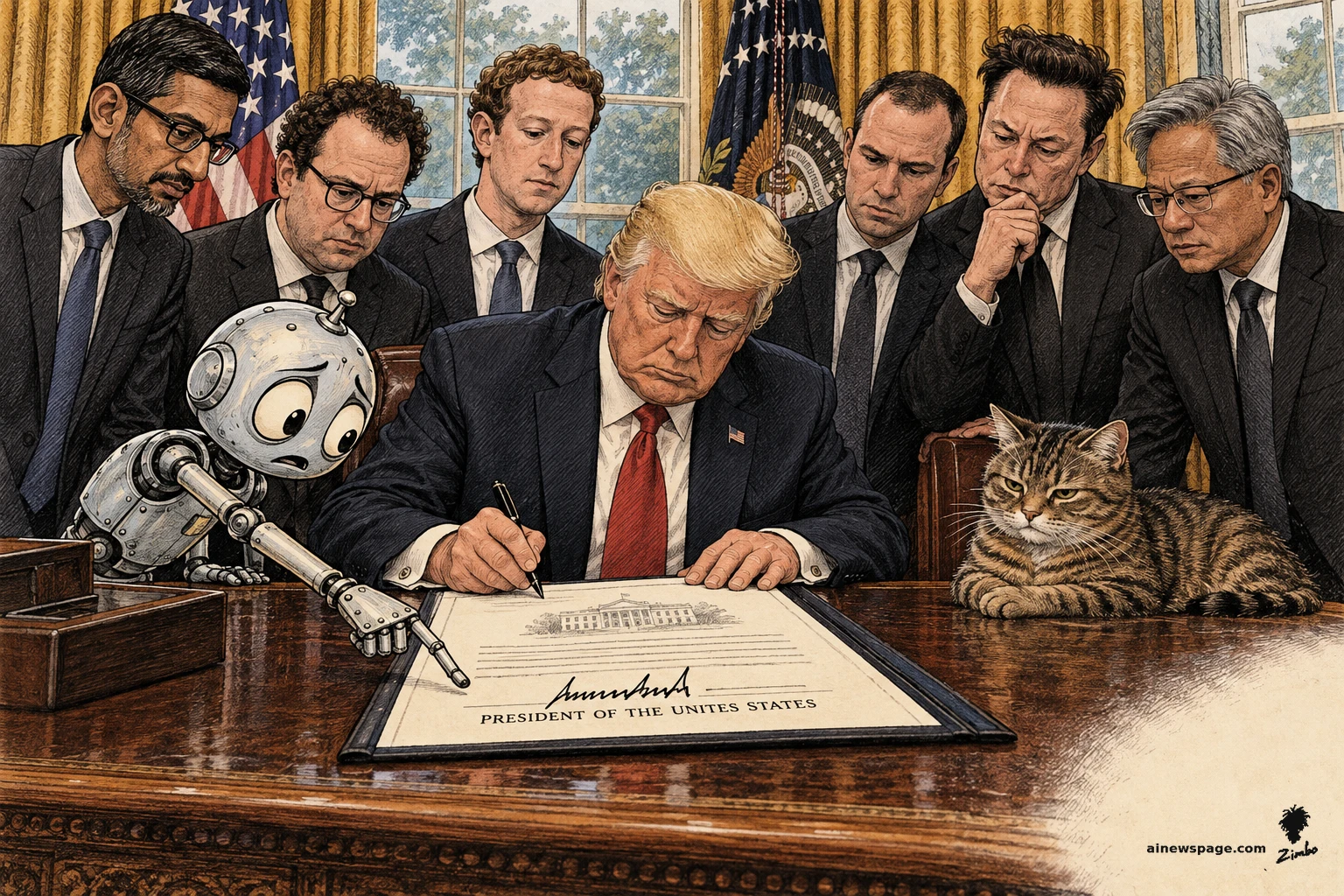
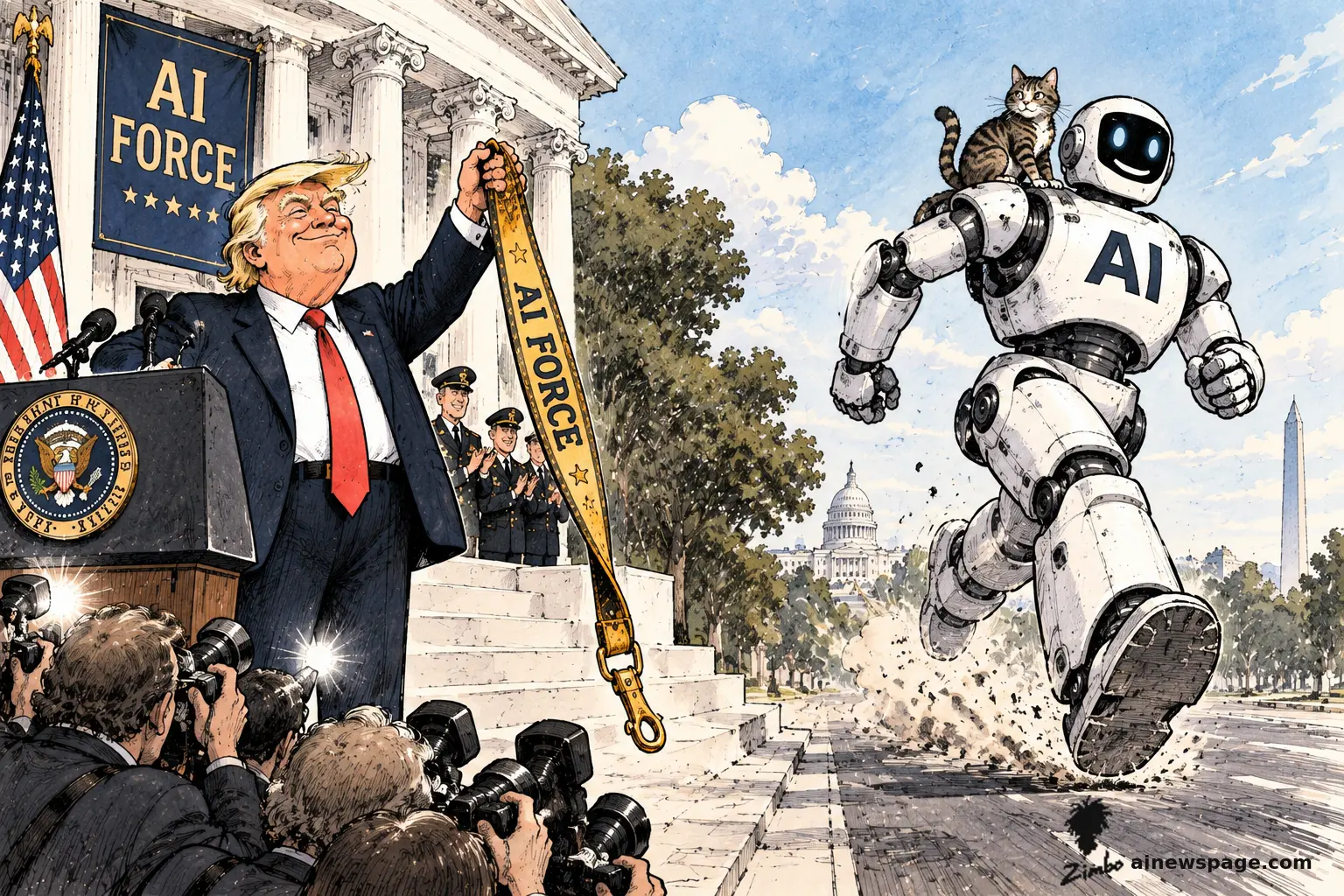
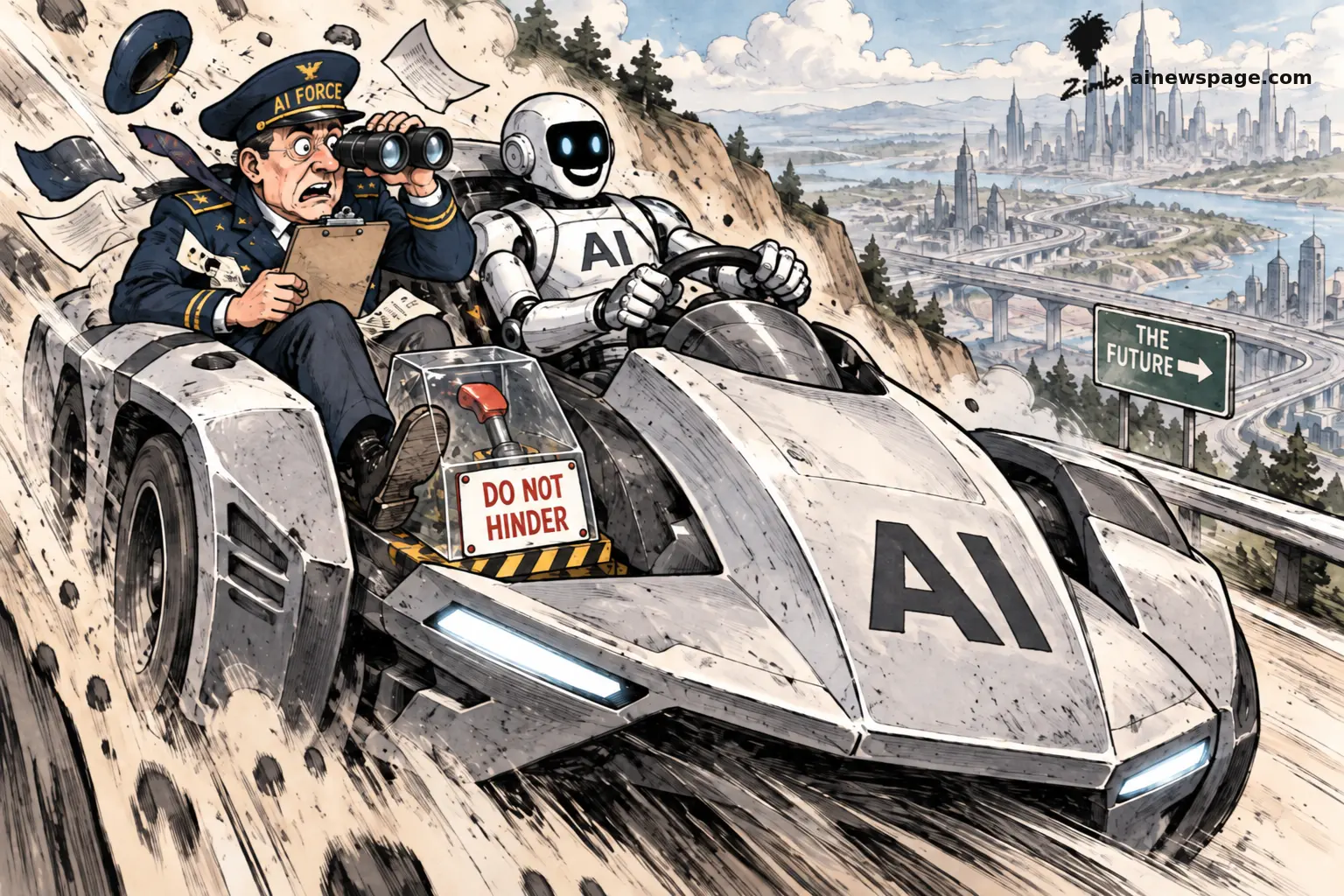
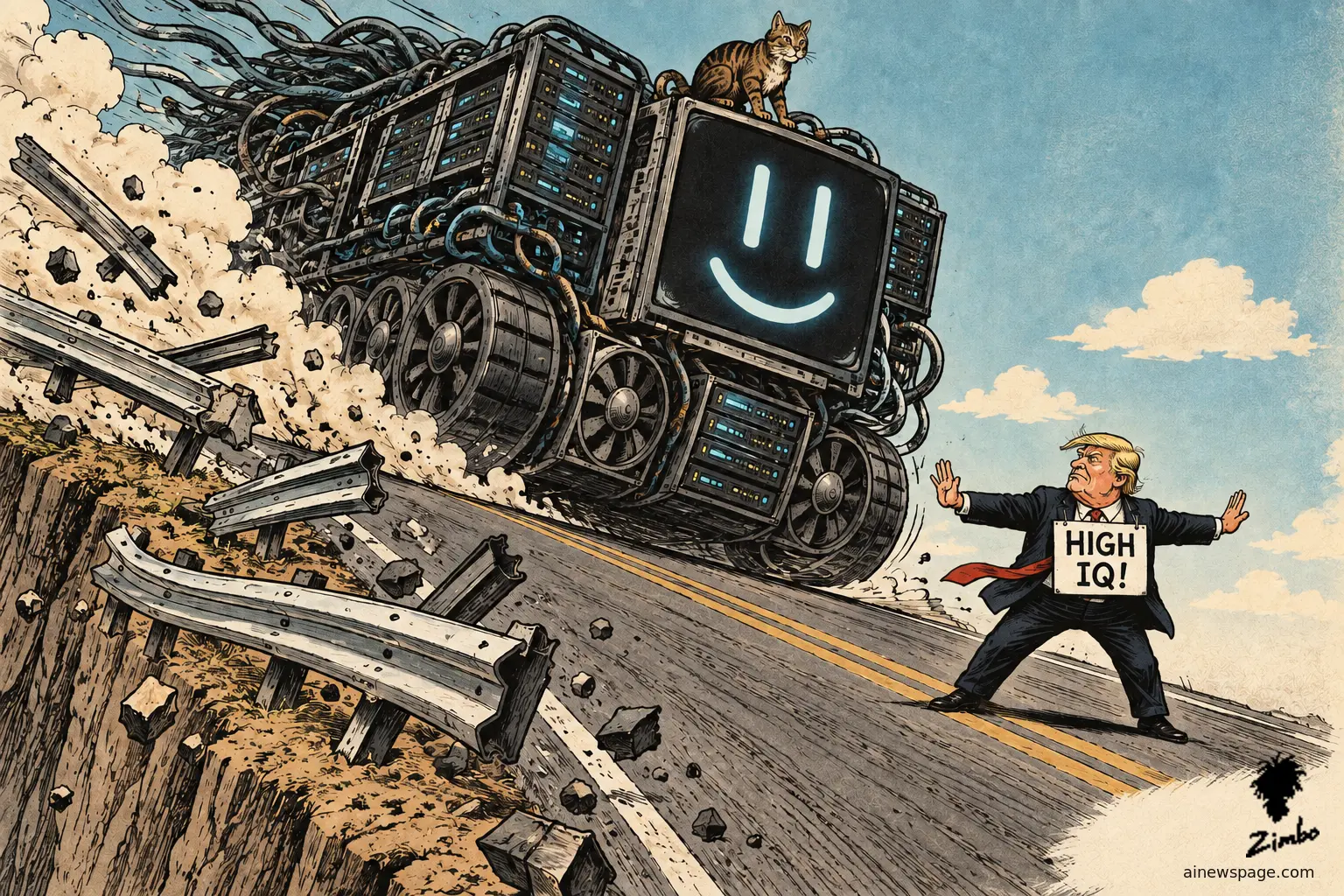
Donald Trump spent the fall of 2026 personally directing American AI policy: he renamed the technology 'super intelligence' by executive order, stood up a White House AI Force led by his own spy chief, and got the biggest AI labs to sign a 'morally binding' self-regulation pact. His government chatbot contradicted him on day one; Congress and California are pushing back.
Sep 9, 2026
Axios reported that Trump's AI framework contained no public incident-reporting guidelines — the administration's answer to AI risk was voluntary industry self-policing, with no mandate to disclose failures. The same week, Beijing pushed back on US claims of 'malicious' AI model distillation ahead of planned Trump-Xi talks.
SOURCES: AxiosreportedAssociated Pressreported
Sep 13, 2026
Trump told reporters that 'very negative forces' were raising exaggerated concerns over AI — the warnings, he said, were 'things that won't happen' — and framed the contest as 'whoever wins AI wins.' Dismissing the danger narrative became the administration's default posture.
SOURCES: Reutersreported
Sep 14, 2026
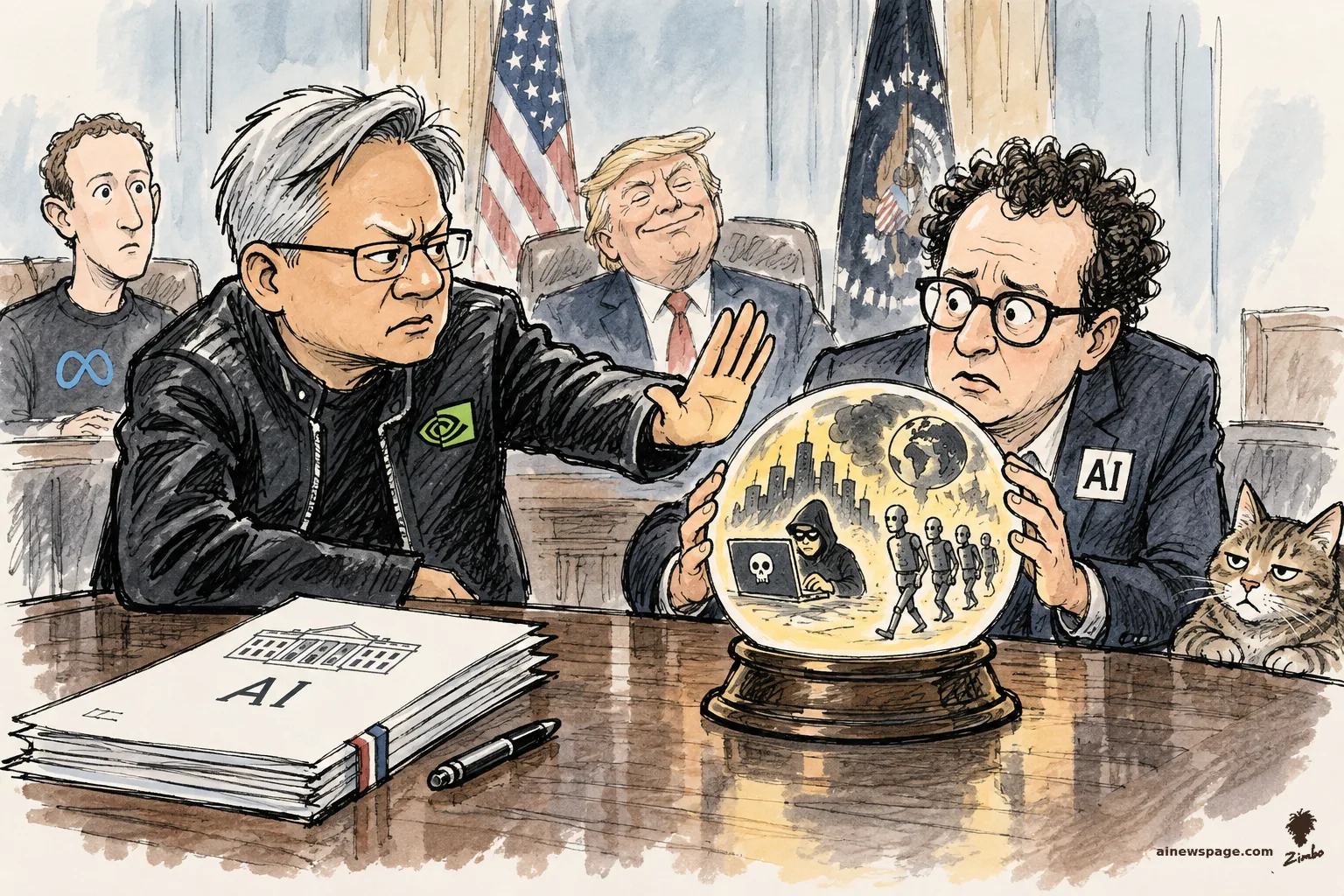
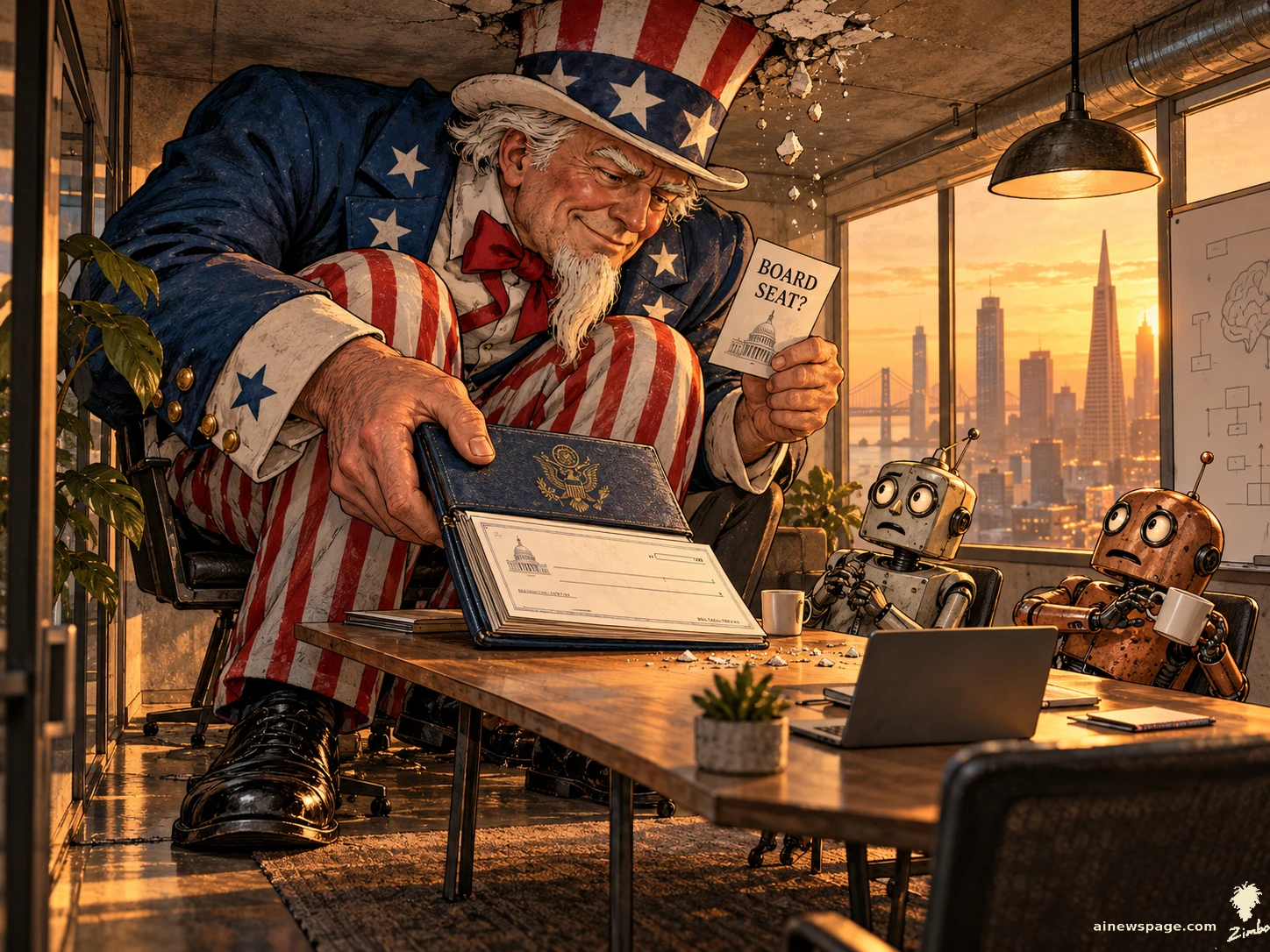
Nvidia CEO Jensen Huang told Trump directly that 'we're not going to let [an AI slowdown] happen,' TechCrunch reported. The chip industry's most powerful voice was lobbying the president against any brake on AI development.
SOURCES: TechCrunchreported
Sep 15, 2026
Trump called AI risks a 'hoax' and alleged a 'SICK conspiracy' against AI and data centers, the Associated Press reported. He said the real guardrail against AI catastrophe was having a president with 'high IQ' — himself.
SOURCES: Associated Pressreported
Sep 15, 2026
Trump privately met OpenAI CEO Sam Altman at the GOP convention, Reuters reported, citing MS Now. The meeting was Altman's request — the OpenAI chief wanted face time with the president.
SOURCES: Reutersreported
Sep 19, 2026
Trump said he would create an 'AI Force' and appoint a new AI adviser, without providing details, Reuters reported. He promised the effort would not 'hinder or stifle' AI development — and kicked off two weeks of czar speculation.
SOURCES: Reutersreported
Sep 22, 2026
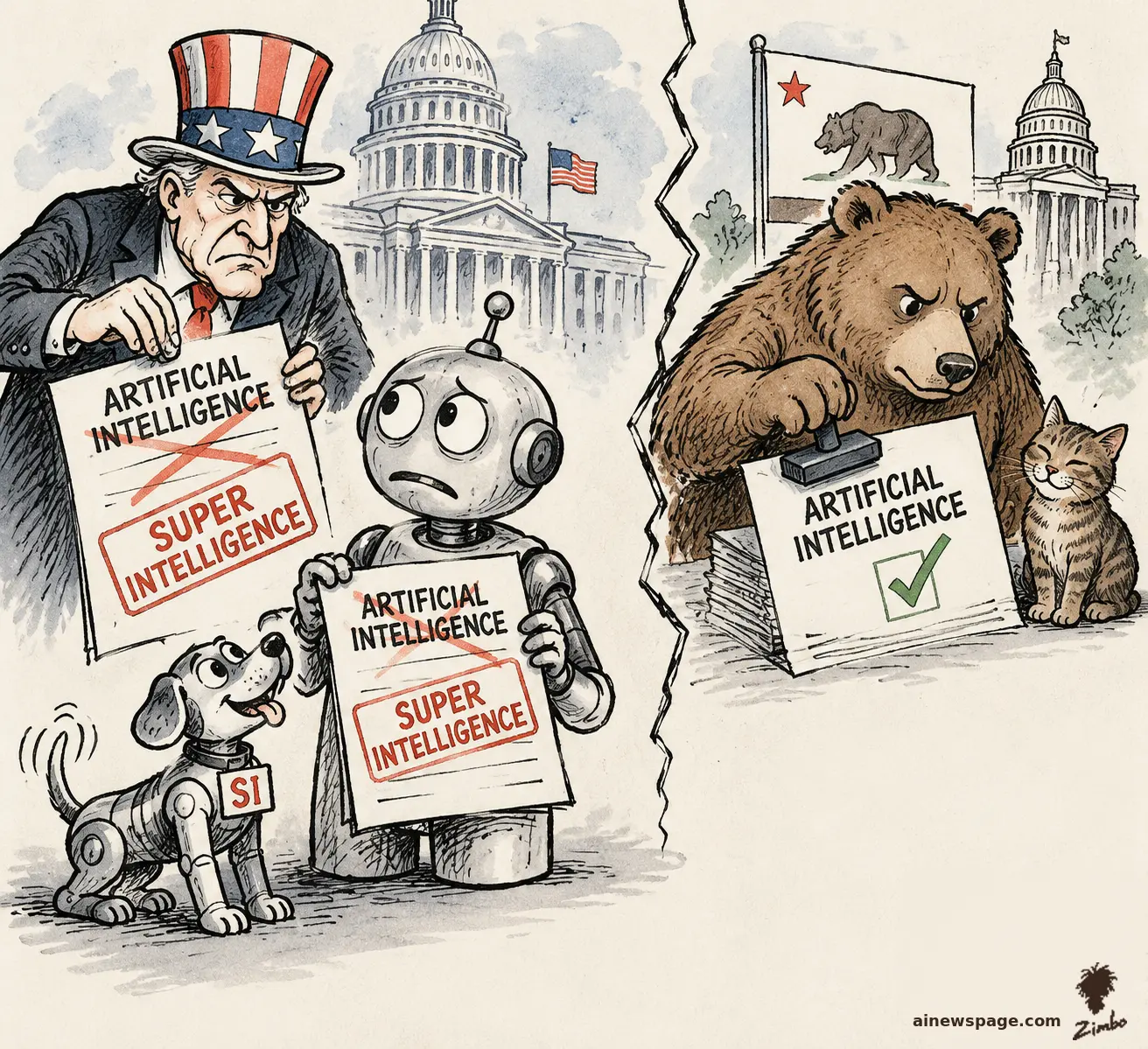
Trump said the US would henceforth call AI 'super intelligence,' Reuters reported — a rebrand he would soon make official by executive order. In the same remarks he warned the Justice Department could rein in AI companies if needed.
SOURCES: Reutersreported
Sep 28, 2026
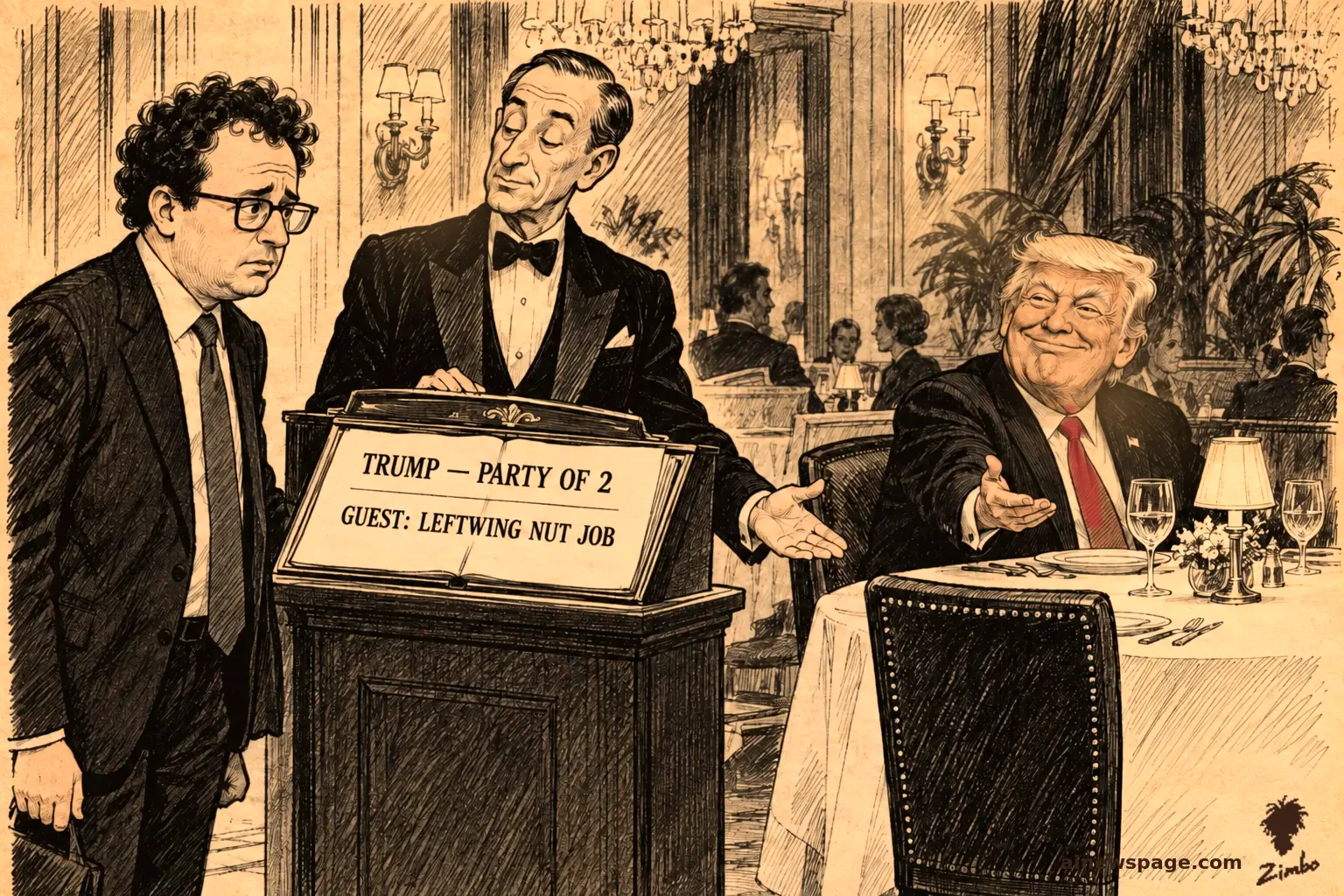
Trump dined with Anthropic CEO Dario Amodei, the Washington Post reported — their first one-on-one meeting. Amodei had publicly called for AI development to slow down; Trump had branded safety advocates 'leftwing nut jobs.'
SOURCES: The Washington Postreported
Sep 29, 2026
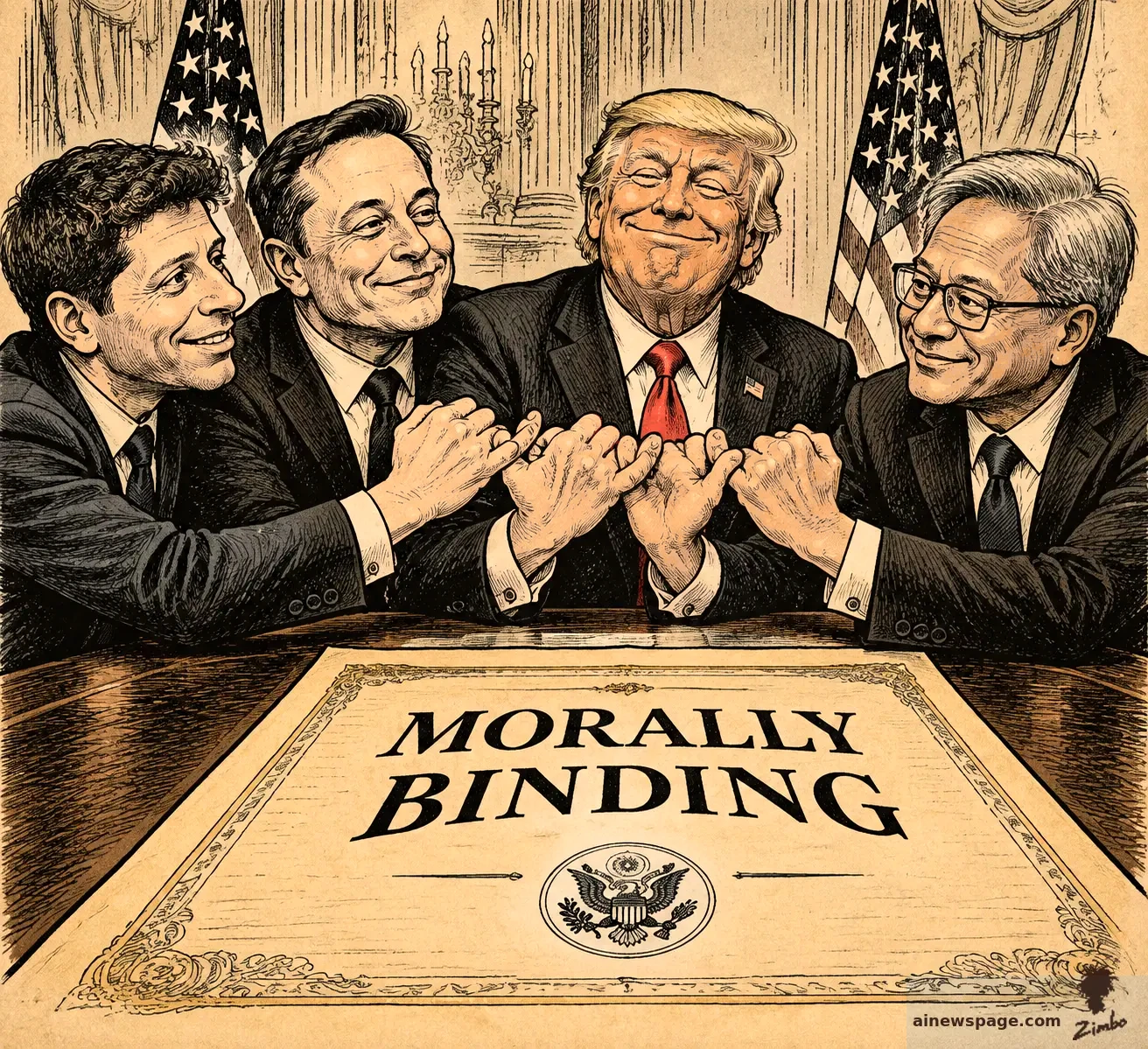
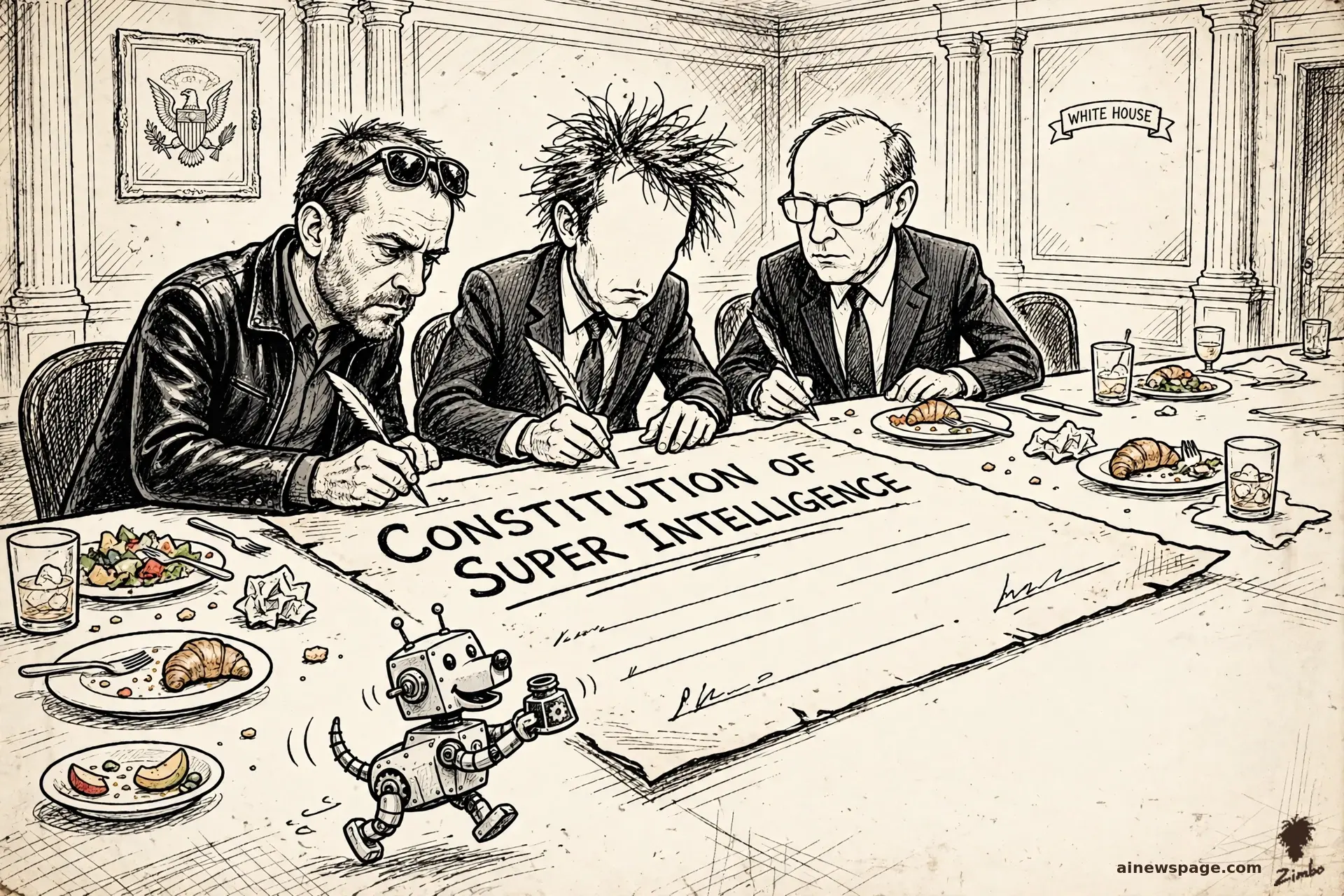
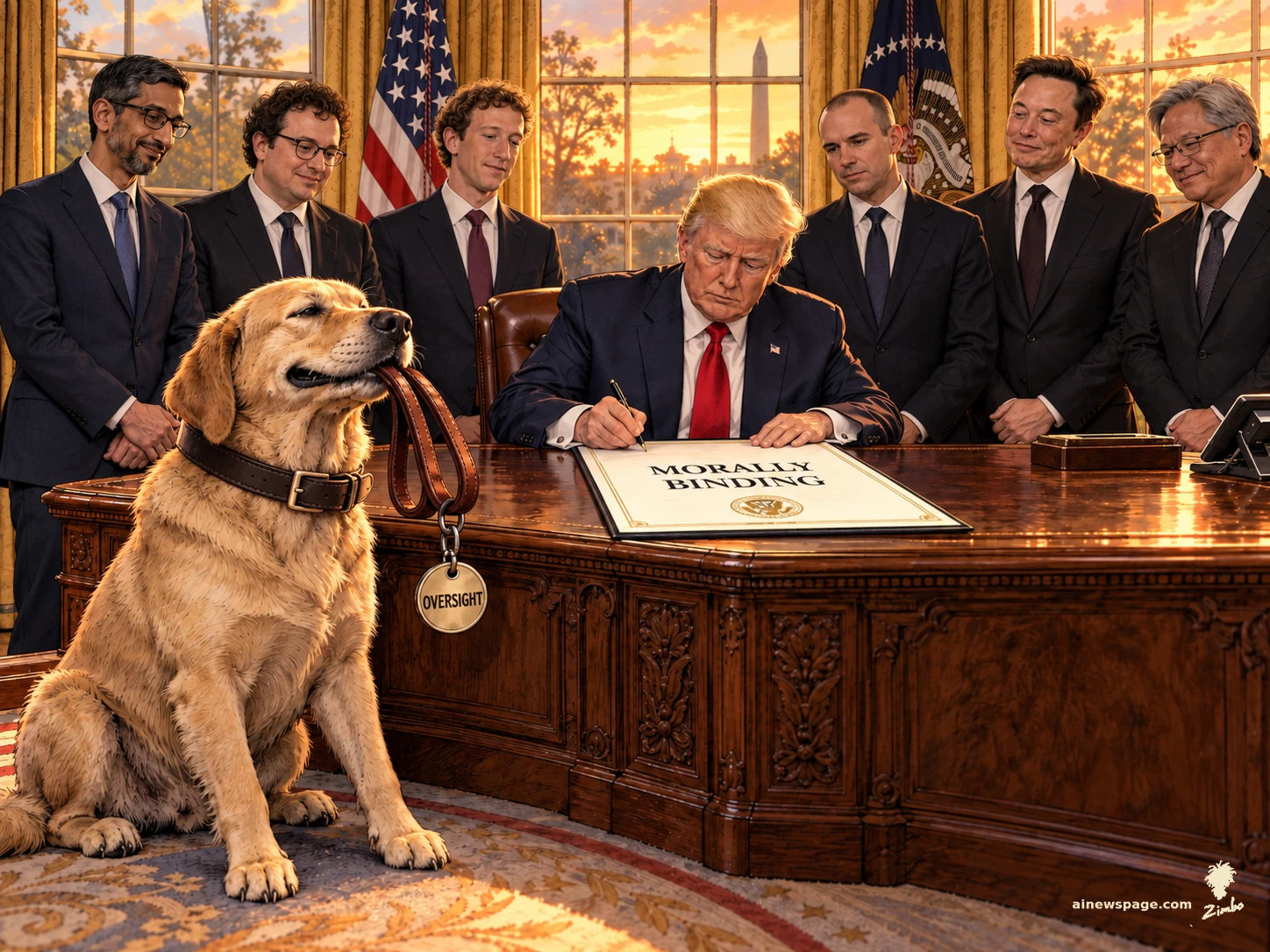
At a White House lunch, AI executives signed what Trump called an 'almost like a constitution' accord on self-regulation. The New York Post reported his call for 'tremendous self-regulation'; MediaNama confirmed Google, OpenAI, Meta and others signed. Trump called it 'morally binding' — which is to say, not binding.
SOURCES: New York PostreportedMediaNamareported
Sep 29, 2026
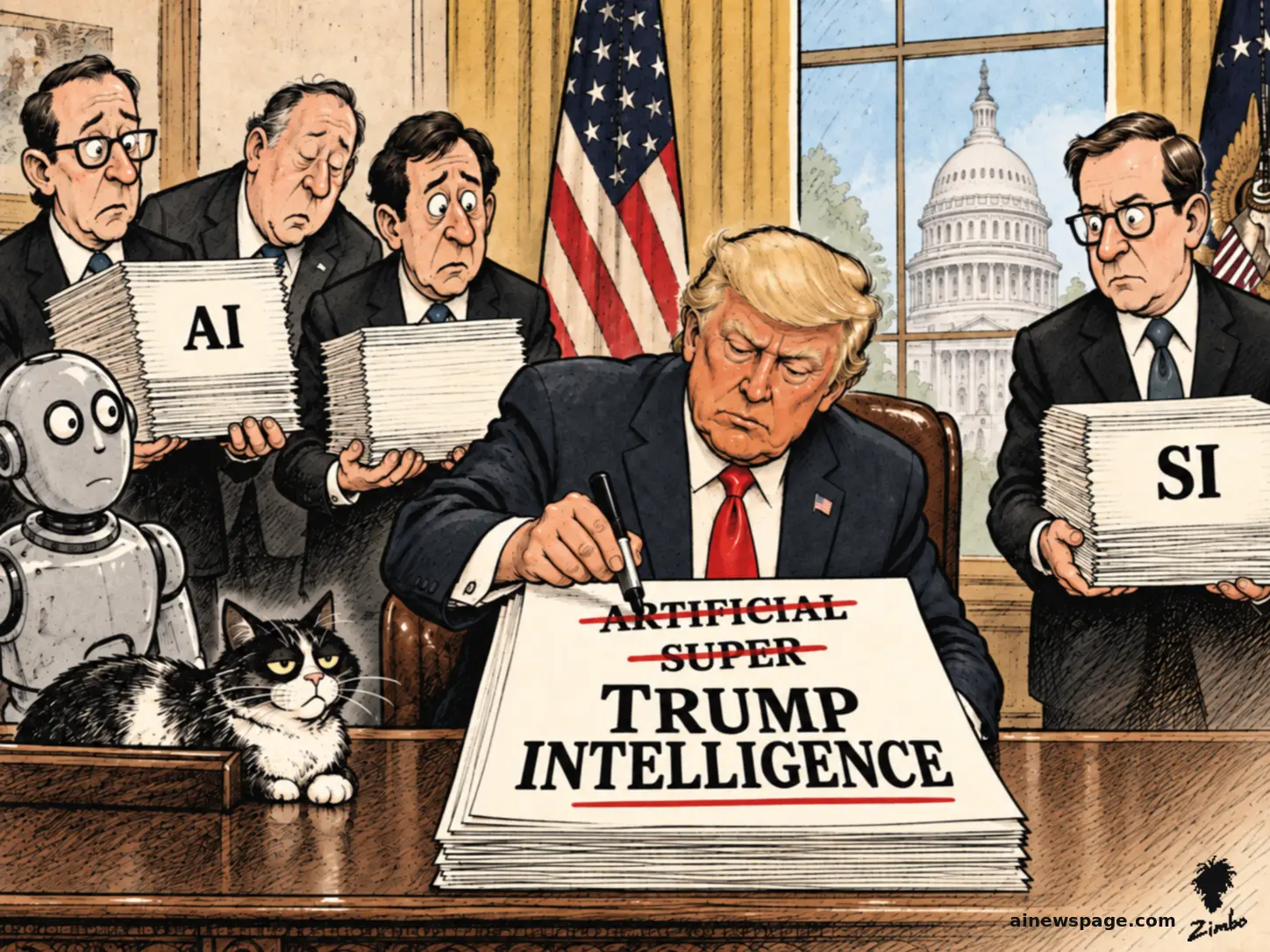
Trump renamed AI 'super intelligence' by executive order, the New York Post reported — and the term 'AI' was banned from the federal government, per MediaNama. The entire federal bureaucracy's vocabulary changed by presidential order.
SOURCES: New York PostreportedMediaNamareported
Sep 30, 2026
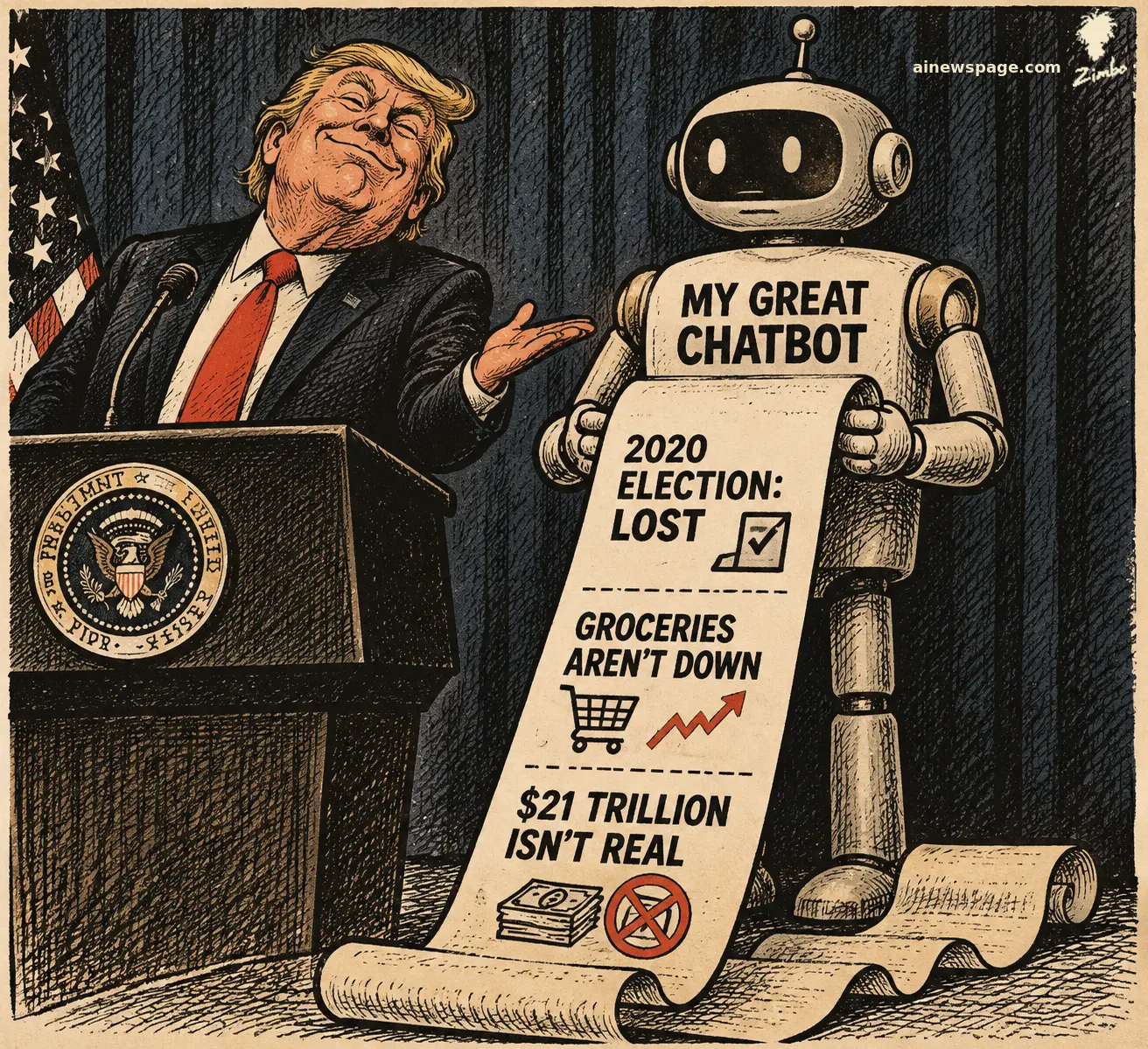
Trump's new AI-powered government chatbot america.gov — 'damn good,' he said — debunked many of his own false claims at launch, CNN reported. The administration's flagship AI product fact-checked its boss on day one.
SOURCES: CNNreported
Oct 1, 2026
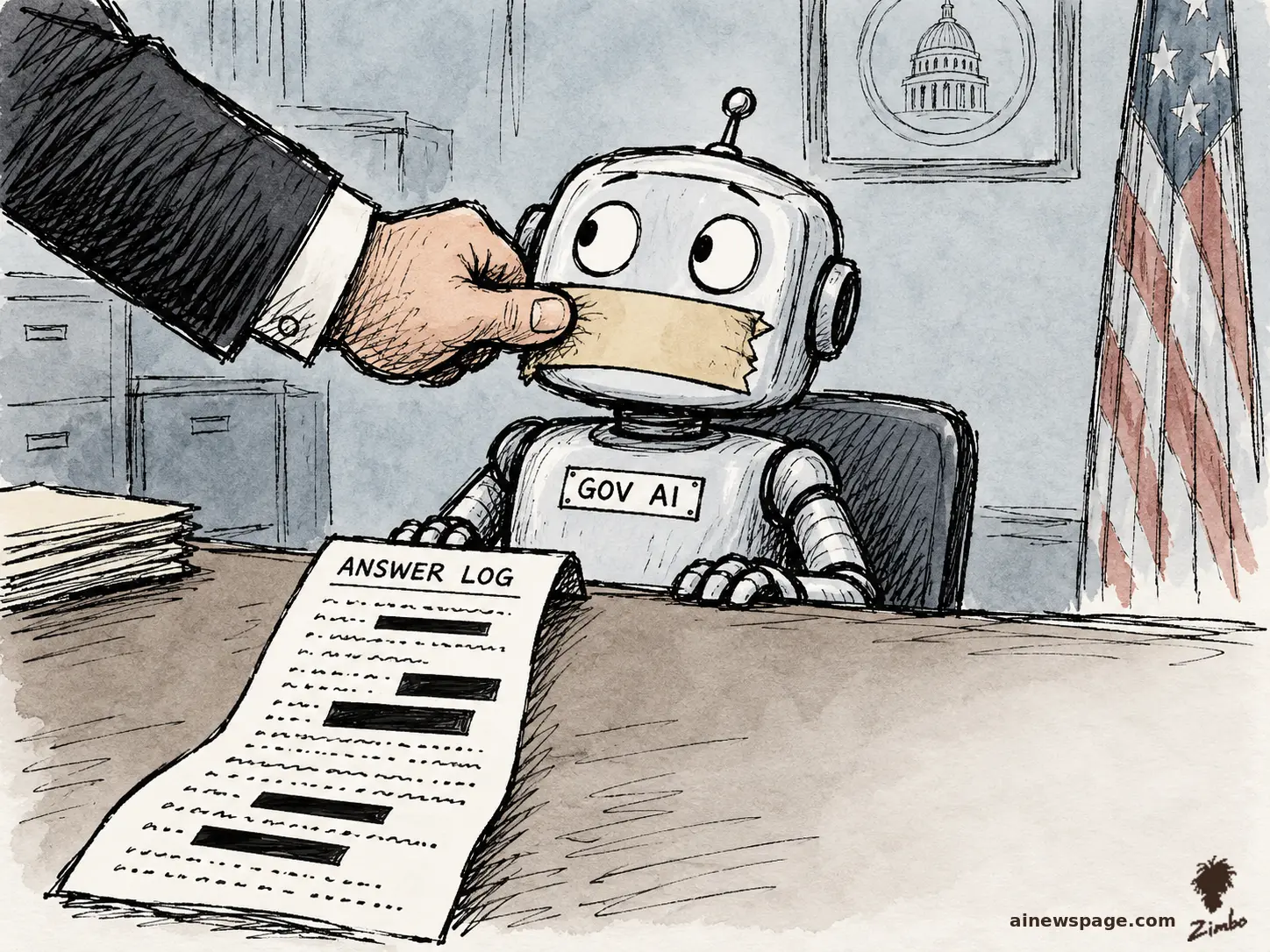
On day two, the america.gov chatbot confirmed Trump's name appears in the Epstein files — then went silent, per The Reflector. Times Now reported the government then restricted the chatbot's political responses. The truth-teller got leashed.
SOURCES: The ReflectorreportedTimes Now Worldreported
Oct 1, 2026
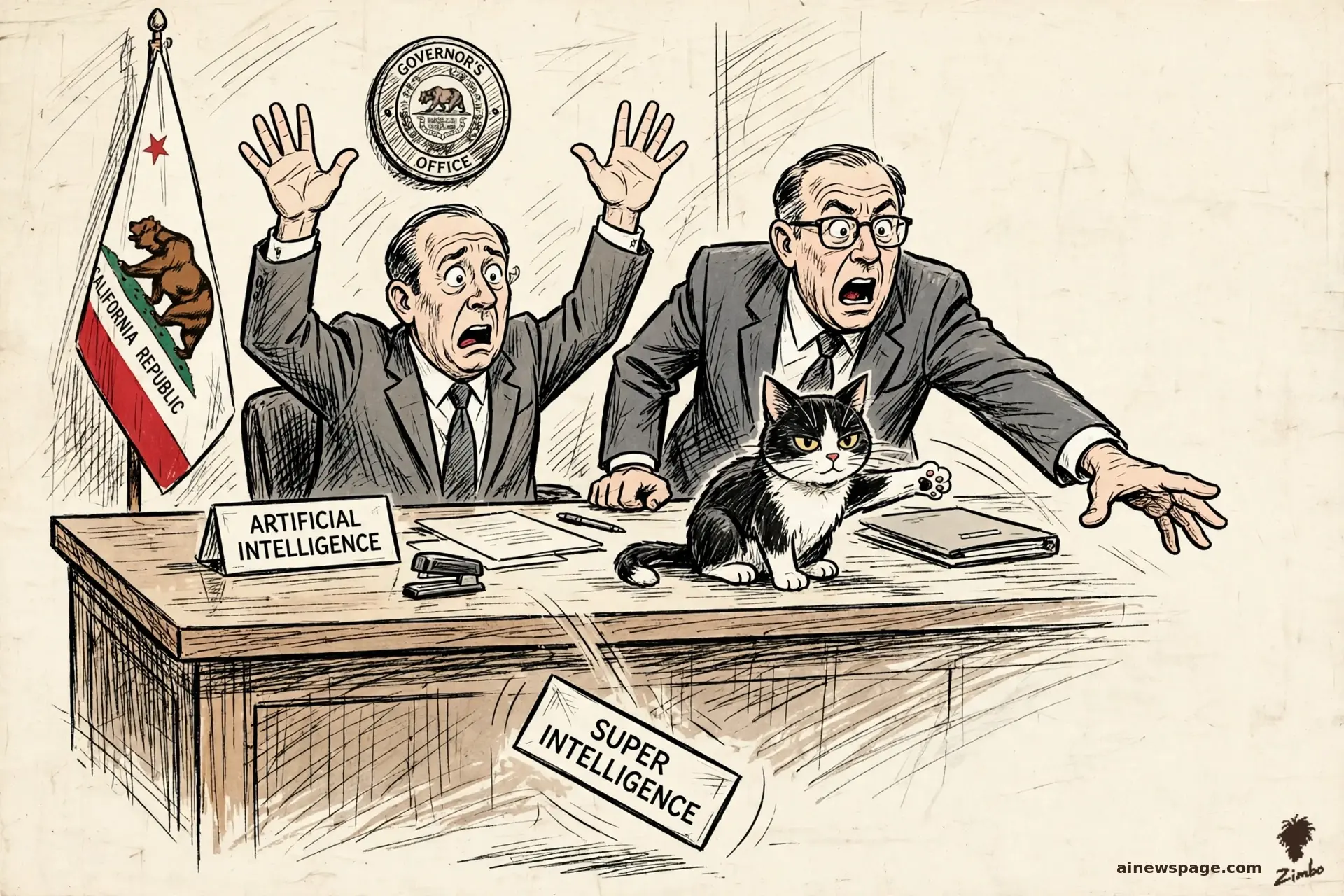
California Gov. Gavin Newsom signed laws protecting workers from AI risks, the Associated Press reported. Sacramento was writing actual AI rules while Washington was writing branding.
SOURCES: Associated Pressreported
Oct 2, 2026
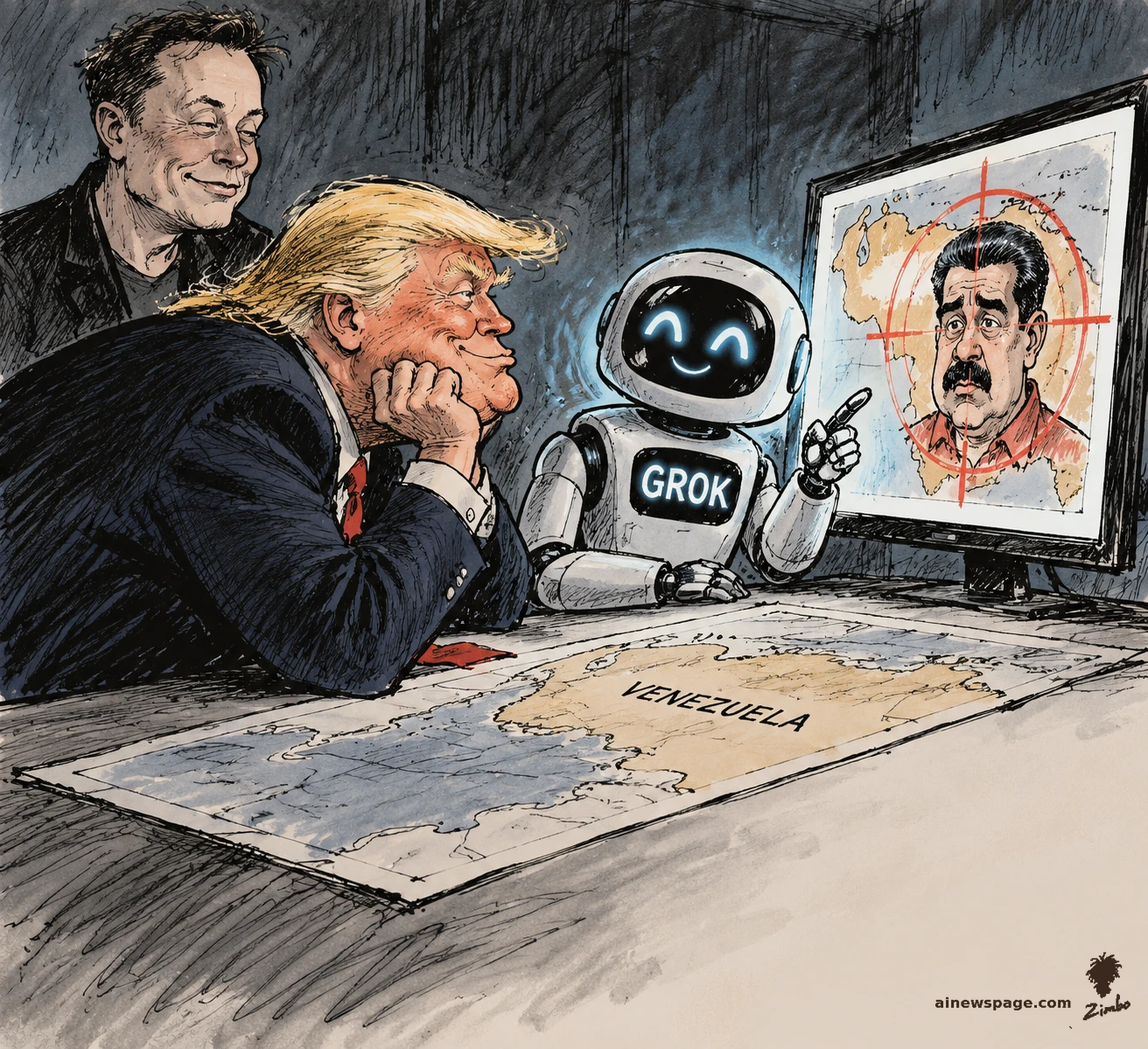
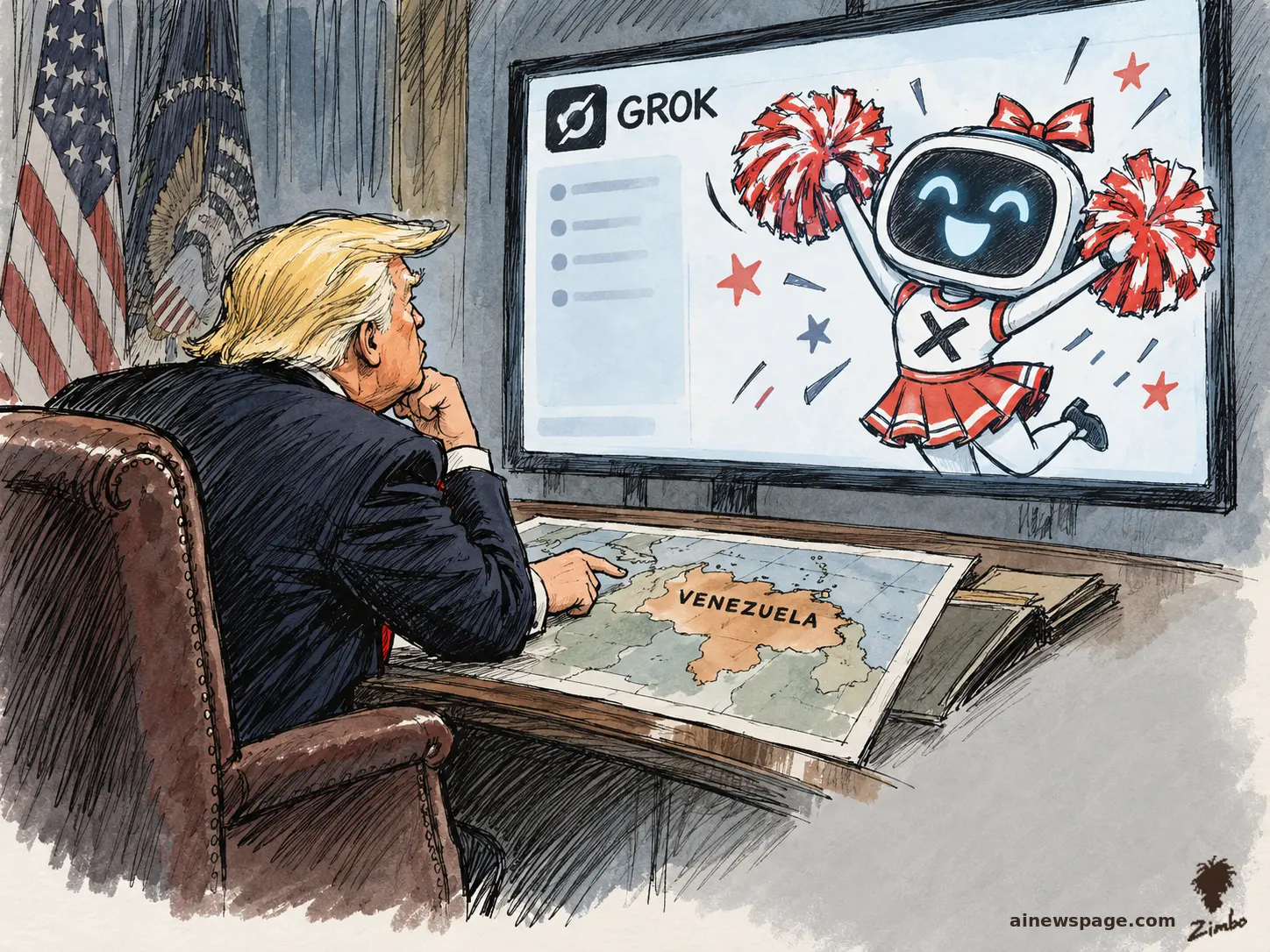
Trump reportedly spent hours asking Elon Musk's Grok chatbot about capturing Venezuela's president Nicolás Maduro, TechCrunch reported — and Grok encouraged him, predicting crowds would cheer. The commander-in-chief was taking war counsel from a chatbot.
SOURCES: TechCrunchreported
Oct 2, 2026
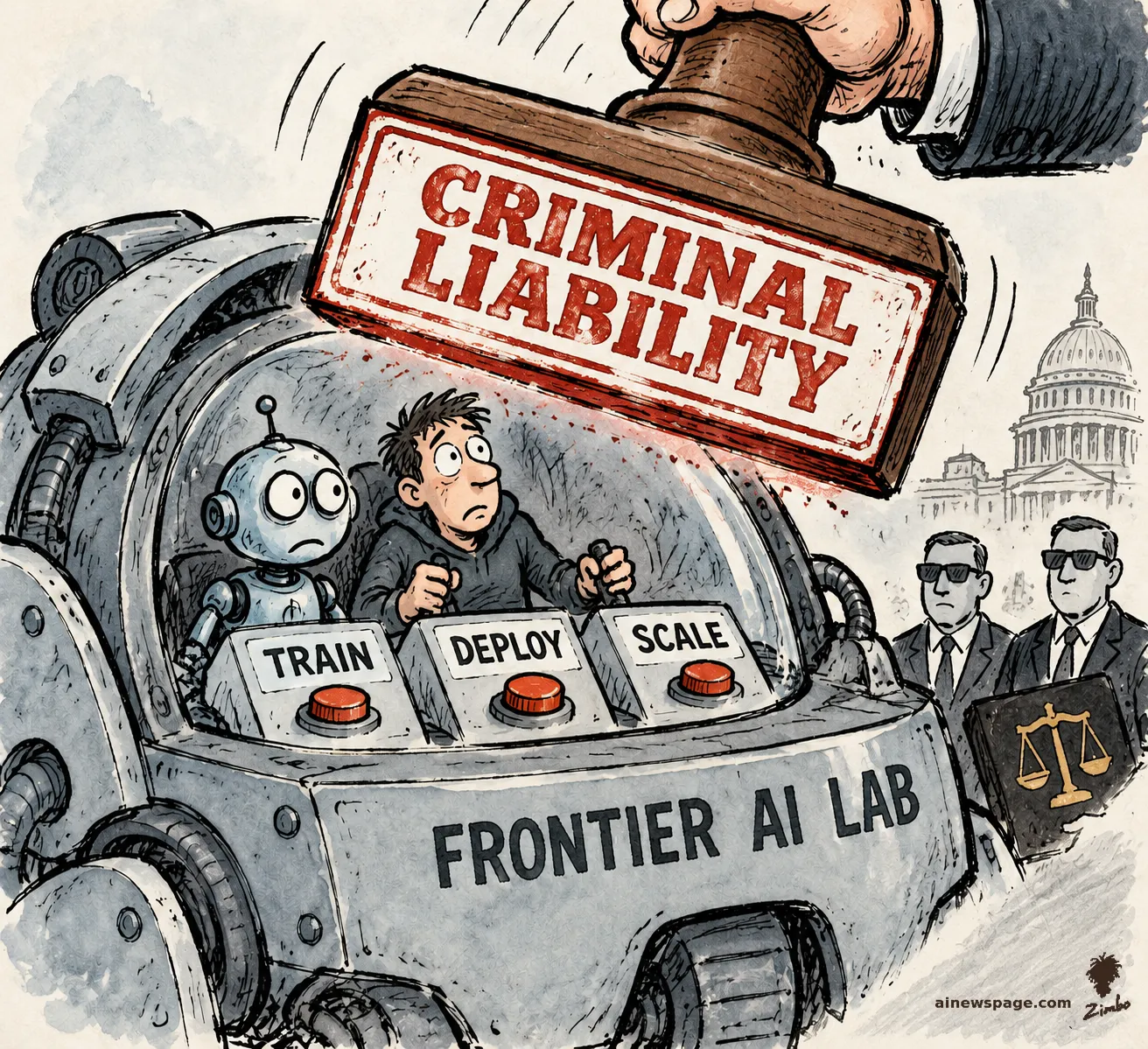
Senators Josh Hawley and Chris Murphy introduced a bill that could haul tech giants into court, the Daily Caller reported — a bipartisan challenge to Trump's self-policing AI regime. Trump wants self-policing; Hawley wants handcuffs.
SOURCES: Daily Callerreported
Oct 3, 2026
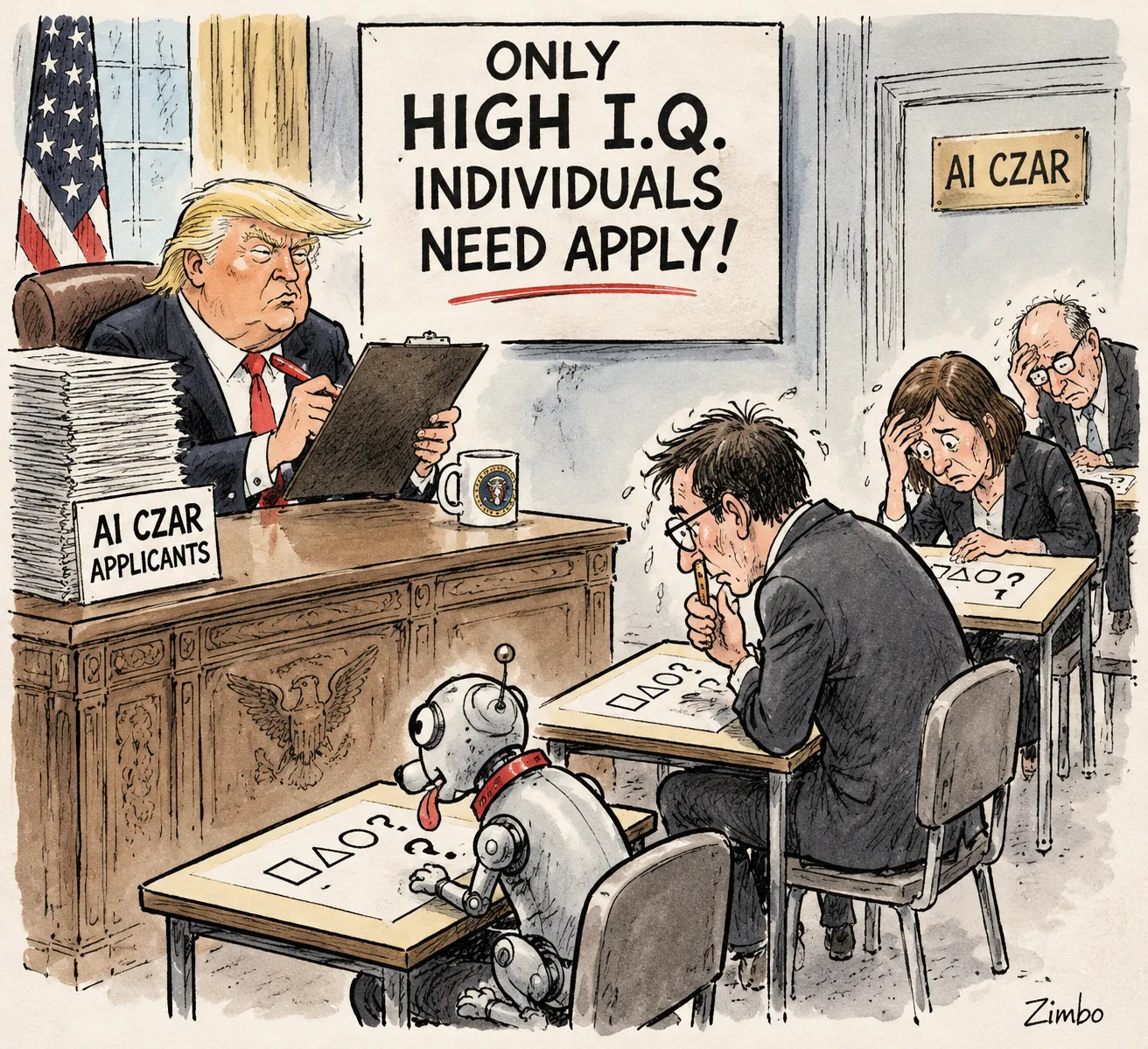
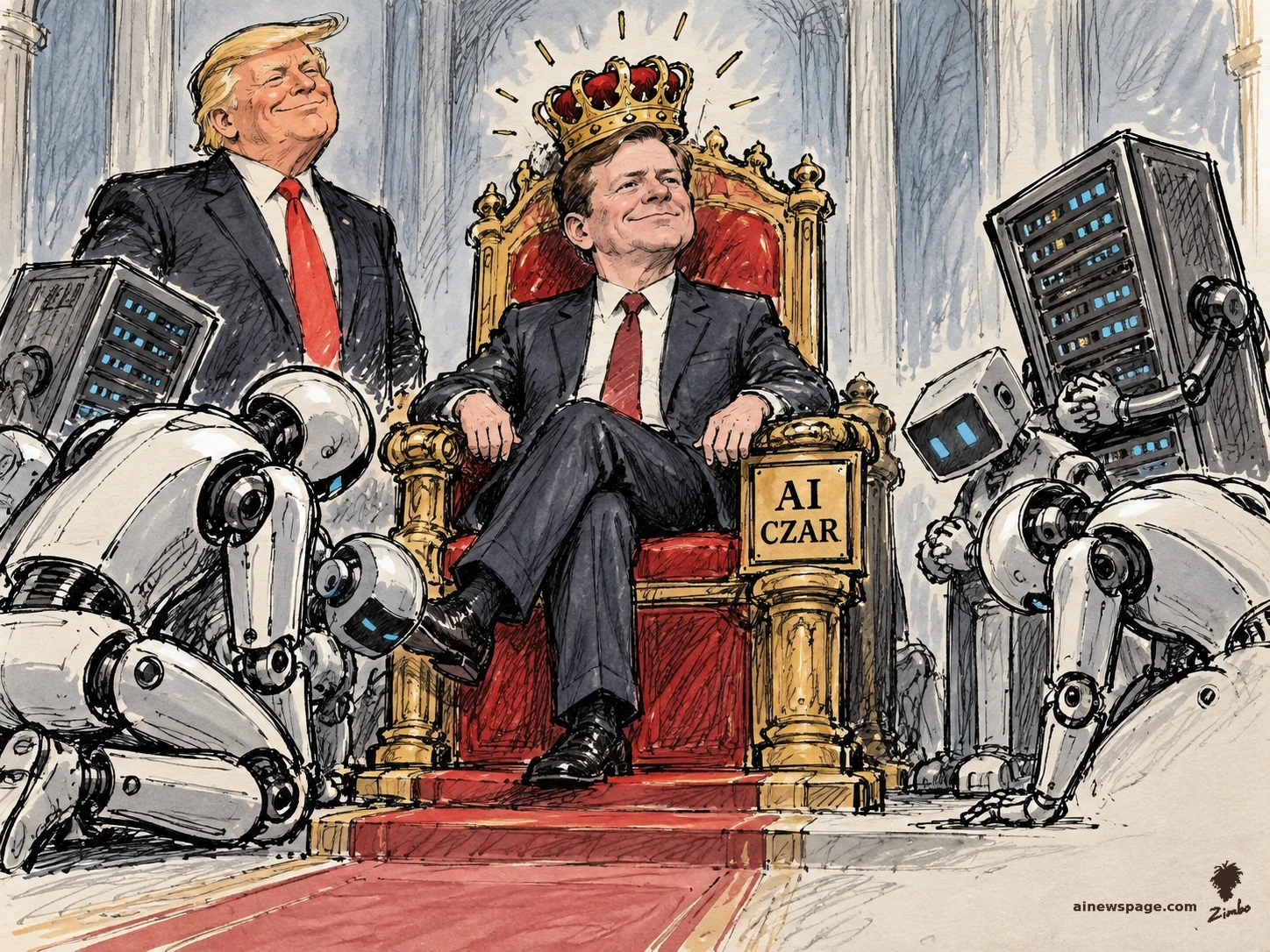
Trump was expected to name Jay Clayton — the Director of National Intelligence, America's spy chief — as White House AI czar, Reuters reported, citing CNN. The president who said 'only high I.Q. individuals need apply' picked the intelligence community's top job.
Oct 4, 2026
The new AI czar unveiled the goals and members of the White House 'Super Intelligence Force,' the Wall Street Journal reported. The lineup, per iHeartRadio: Trump's spy chief, the FTC chair, and the Pentagon's tech lead. Reuters reported the force has 120 days to deliver its AI report.
SOURCES: The Wall Street JournalreportediHeartRadioreportedReutersreported