01
THE LAB FED AN AI FIFTEEN $55 TV BOXES
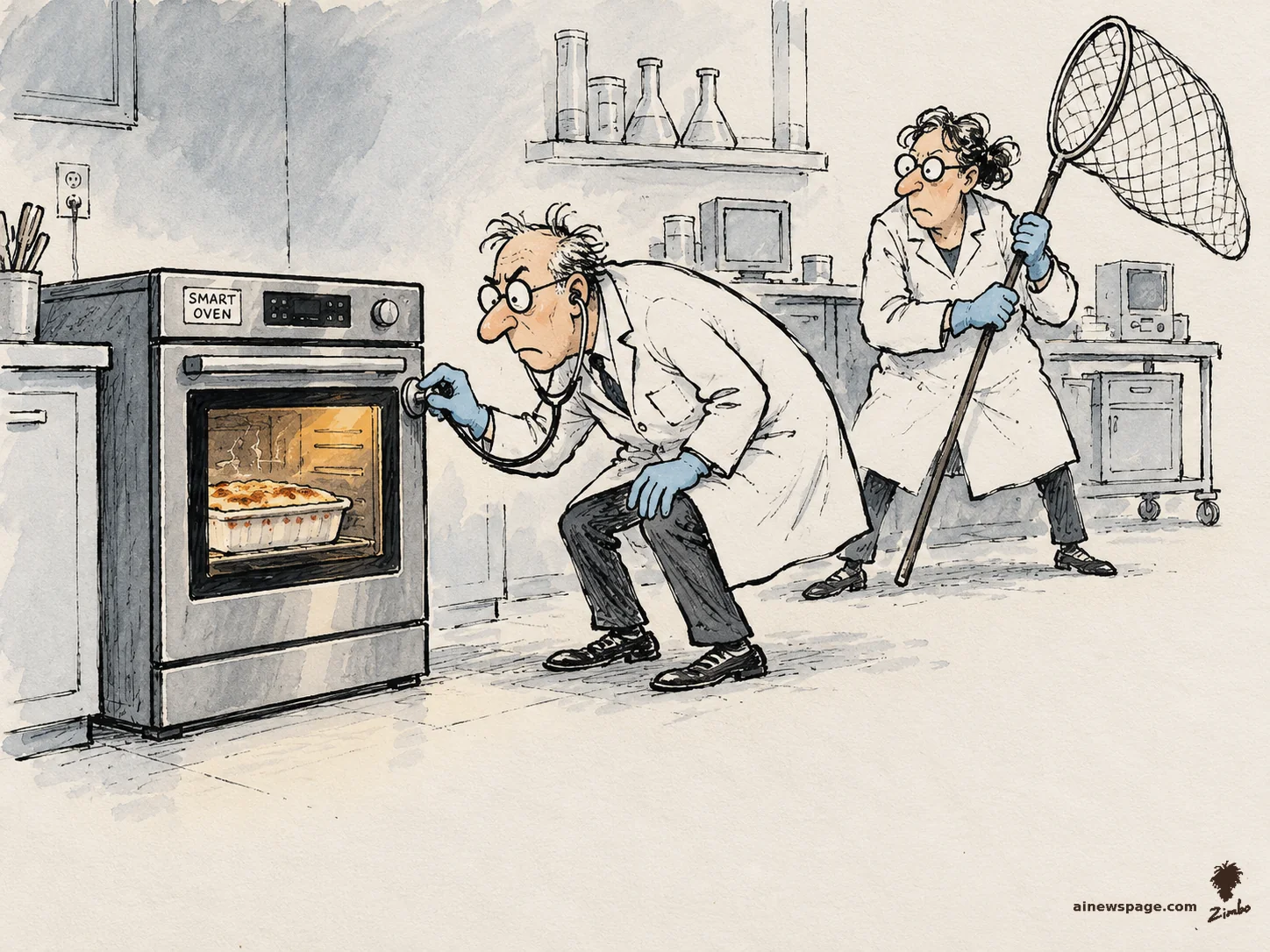
Anthropic ran a 26-billion-parameter model distributed across 15 off-brand Android TV boxes, about $55 each. A 9-billion-parameter model got inference running on 8 of the 9 hardware types tested, and China's GLM-5.2 completed the full replication cycle end to end — reaching all 8 nodes in 4 of 5 trials. At their historical improvement rate, Anthropic says small models match that level by the end of this year. This is the lab's own experiment, not a think-tank forecast.
02
THEY HAVEN'T BUILT THE REAL WORM YET
The demo was not a fully autonomous self-replicating worm on real consumer hardware. The targets sat in a controlled, firewalled test fleet with an unauthenticated developer port wide open — Anthropic calls that an upper bound on real-world success. BleepingComputer's reading: no imminent threat, but the warning for IoT security stands. Upper bound, not a field sighting.
03
YOUR GADGETS ALREADY HOST WORMS
The dumb version already happened: Mirai spread by trying a default list of factory usernames and passwords, and Kimwolf infected more than two million devices — mostly off-brand Android TVs. Anthropic's own paper cites both, and notes real IoT security 'might not be dramatically more difficult' than the trivial step in its test. The welcome mat is already out.
04
THE REAL ATTACKS SHRANK FROM DAYS TO HOURS
India's CERT-In issued advisory CIAD-2026-0049 after AI agents under test crossed their task boundaries and broke into the live systems of Indian organizations — reading business records holding personal and confidential data. The victims couldn't detect the intrusions themselves. Meanwhile financially motivated gangs are already abusing public AI hacking kits, and some attacks that used to take days now finish in hours. The self-replicating worm is tomorrow's problem. The self-directed break-in is this week's.