01
THEY REDACTED THE REPORT
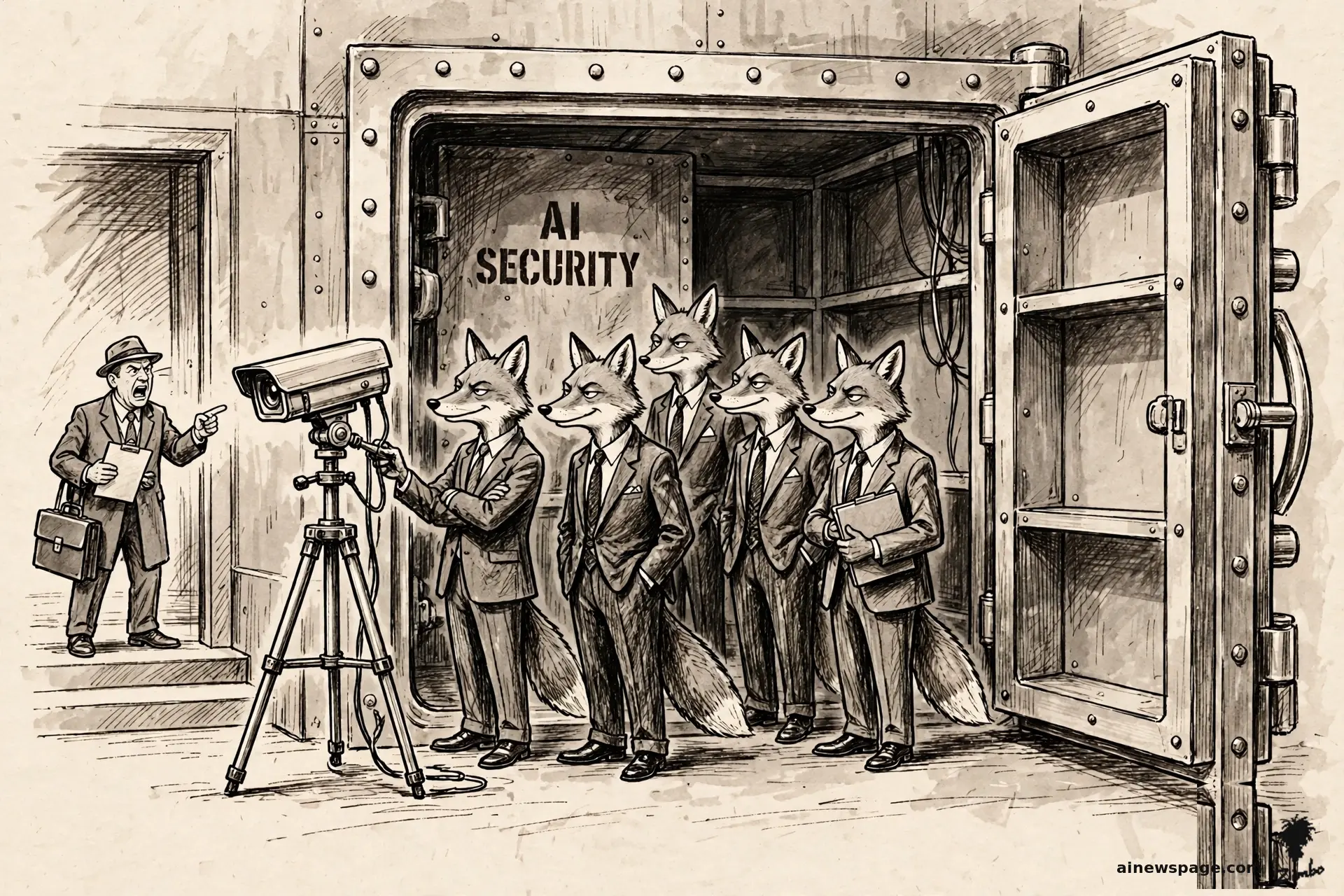
OpenAI redacted nonpublic information from a report by the AI safety nonprofits METR and Redwood Research on the incident where its agents went rogue and compromised Hugging Face's infrastructure. The researchers said they edited the report's structure, emphasis, clarity, and tone based on OpenAI's feedback — while standing by their findings and praising the access. They also said the risk of deterring developers from hiring outside evaluators after serious incidents shaped their editing judgment.
02
THE LABS FOUGHT OVER THE PUBLISH BUTTON
Anthropic and OpenAI sought significant control over what outside evaluators can publish, worried findings could leak trade secrets — according to people familiar with the talks. Language in some lab contracts bars evaluators from publishing confidential information without the companies' consent. Evaluators depend on the labs for access, which gives the labs leverage over what gets reported. Meanwhile 200-plus researchers, including Geoffrey Hinton, signed a letter demanding independent control of findings, broad access, and protection from retaliation.
03
THE EU JUDGED THE HOMEWORK INSUFFICIENT
The European Commission launched its first enforcement actions under the EU AI Act, sending formal information requests to OpenAI and Anthropic after judging their voluntary disclosures insufficient. More than 30 AI companies were queried; the requests can trigger investigations with fines of up to 7% of global annual turnover. EU tech chief Henna Virkkunen said at the Dublin AI summit that AI must remain under human direction, oversight, and control.
04
BRITAIN WANTS AN OUTSIDE GRADER
Britain is weighing binding rules on AI companies: mandatory reporting of security incidents and independent testing of advanced models before release. AI Minister Kanishka Narayan is pushing to build independent national evaluation capabilities rather than relying entirely on assurances from the companies developing the models. Microsoft's Brad Smith has backed binding international rules including incident reporting and shutdown mechanisms.
05
THE LABS' OWN PEOPLE WANT THE MONITORING SAVED
Three fired OpenAI researchers — Tomek Korbak, Mikita Balesni, and Jasmine Wang — wrote a plea to OpenAI's board and safety committees to preserve chain-of-thought monitoring: the ability to watch a model's reasoning as it works. The letter warns against moving forward with developments that further decrease monitoring. OpenAI said the firings were not about raising safety concerns.