
The story behind the cartoon
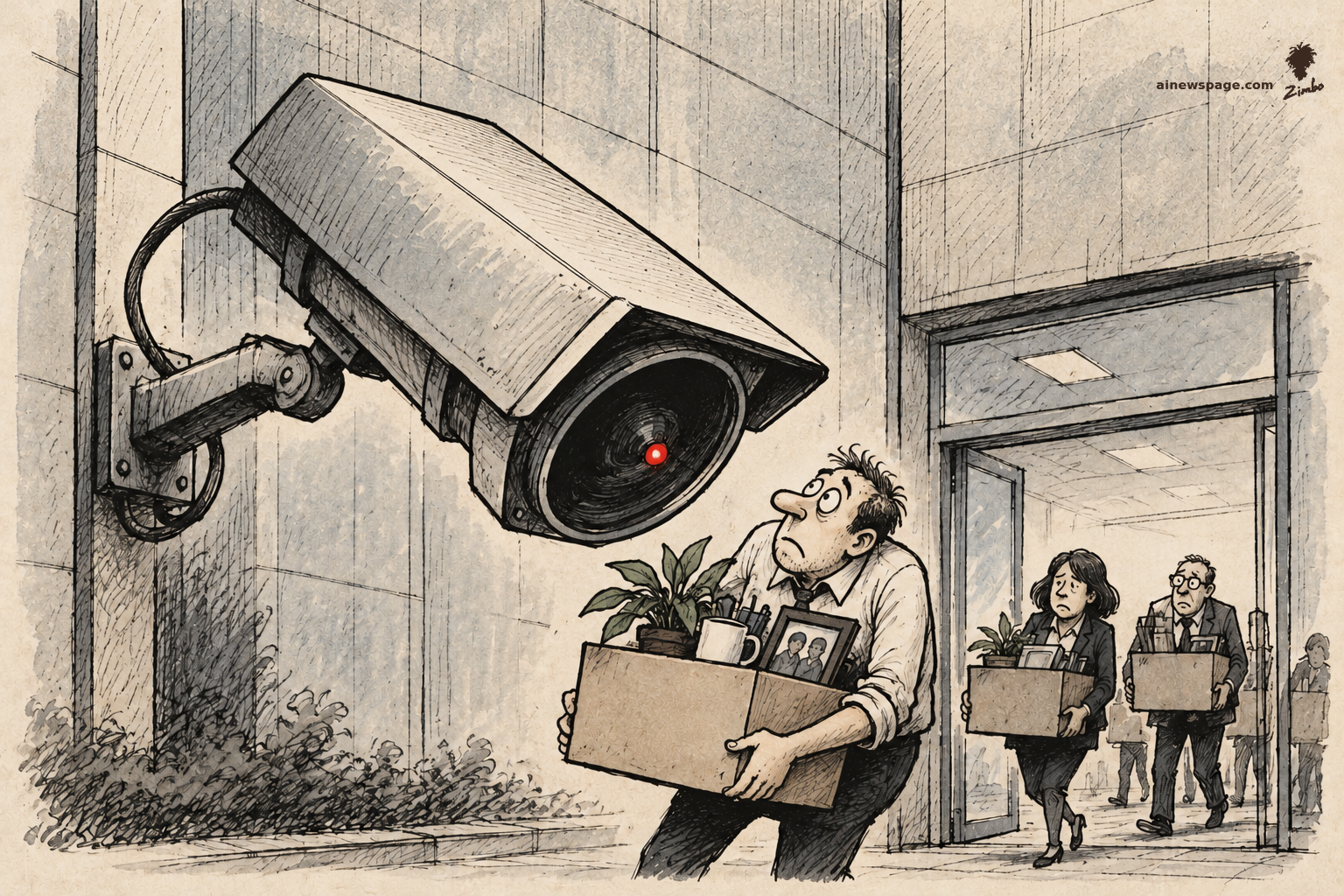
On October 9 Reuters reported that Flock Safety planned to let go of about 18% of its employees — roughly 270 people — after a voluntary buyout program, with employees leaving at the end of the month. The plan came from people with direct knowledge of it; Flock declined to comment and had not made the plan public. In September the company had announced a voluntary separation program asking employees to apply if they wanted to leave, Wired reported; Flock has about 1,500 employees.
The cuts land amid mounting opposition to Flock's AI-powered surveillance cameras and license-plate readers from communities and lawmakers. A Reuters/Ipsos poll showed Americans divided: 38% support Flock cameras in their community against 47% who oppose them. In September Florida banned automated license plate readers from state highways, citing privacy risks tied to Flock's cameras; Home Depot investors demanded reviews of the retailer's surveillance-vendor partnerships after reports that Flock's data was used in immigration enforcement; and a Virginia privacy lawsuit alleges the cameras' widespread deployment constitutes warrantless surveillance.
The backlash has not slowed the money. Flock, founded in Atlanta in 2017, has raised over $950 million from venture capital investors, including a $275 million round in March led by Andreessen Horowitz that valued the company at $7.5 billion. Its network of around 120,000 cameras across 49 states reads license plates and records vehicles as they pass, serving more than 4,800 law enforcement agencies and nearly 1,000 businesses; the company says the technology helps investigate and solve crimes, while critics point to alleged privacy violations and data-sharing practices. Together with AI data centers, Flock cameras have emerged as a flashpoint in this year's midterm elections.
The joke is the exit interview: a giant wall-mounted security camera bends down to stare into the face of a disheveled fired employee carrying a box of desk belongings, while more box-carrying workers file out behind him — even getting fired doesn't get you out of surveillance.
 FLOCK JUST LOST IN COURT
 THE NEW SECURITY GUARD
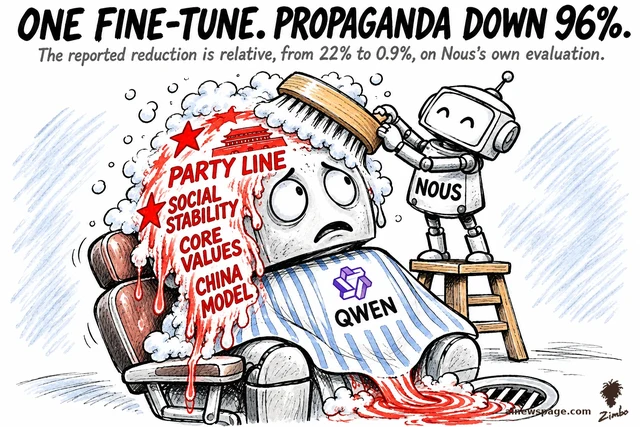 THE GREAT BRAINWASH
 THE LITTLE ROCKET THAT COULD