The story behind the cartoon
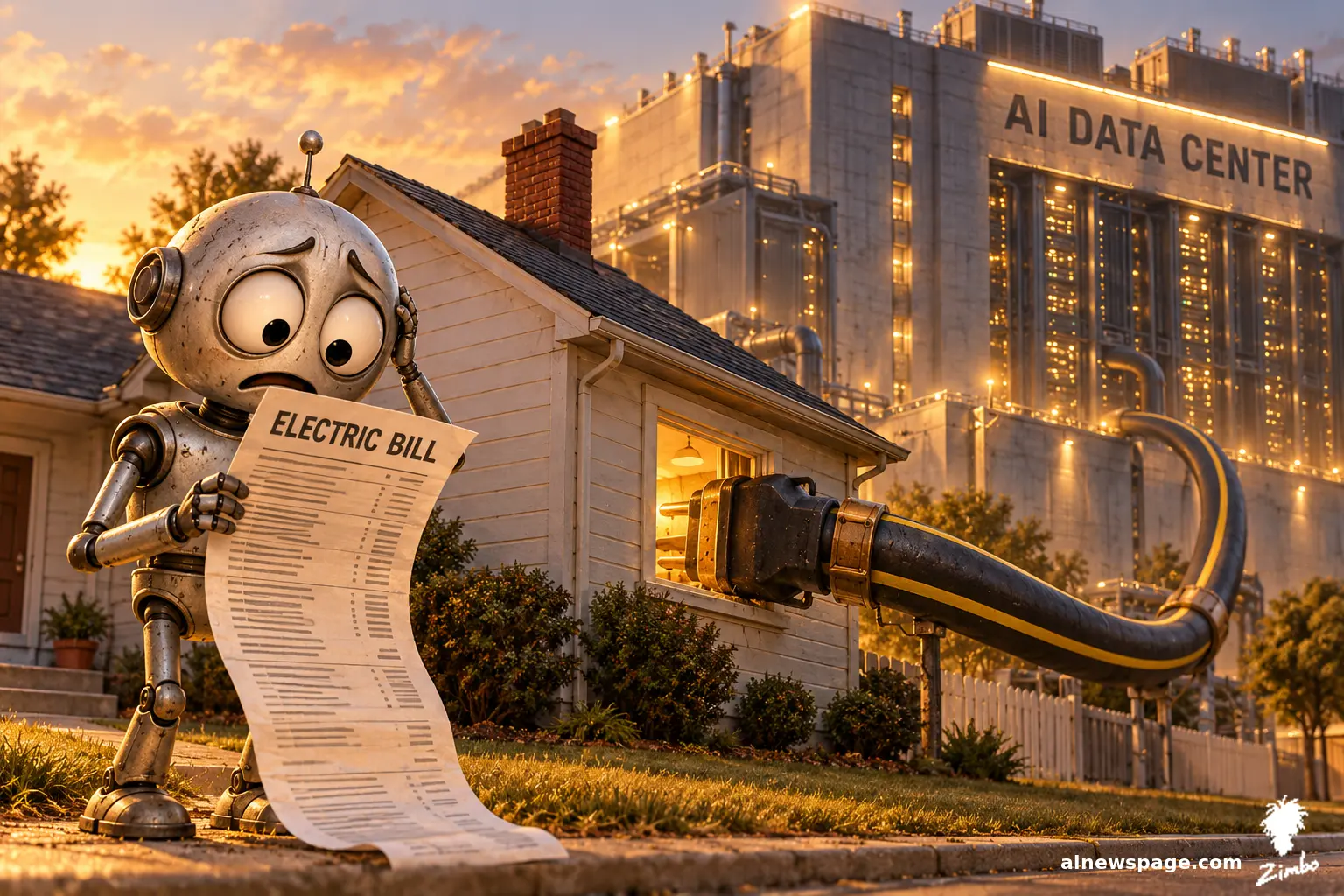
On September 30, 2026, the US Senate blocked the Ratepayer Protection Act, a bill that would have required state utility regulators to consider making large electricity users — data centers included — pay the incremental cost of the power infrastructure built to serve them, instead of passing it on to households. Senators voted 57–43 to advance it, with only four Democrats in favor; it needed 60 votes to clear the procedural hurdle. The House had passed it two weeks earlier, 417–3.
It was the first legislation to address the economic side of the data-center buildout for AI, and it arrived as polls showed broad public opposition to data centers even as President Trump backed their expansion. Senate Republicans, defending a 53–47 majority ahead of the November 3 midterms, took it up at the urging of Senator Jon Husted of Ohio, who was trailing former Senator Sherrod Brown in his race. Democrats said the bill did not go far enough to protect consumers from soaring electricity bills; Democratic leader Chuck Schumer called it a "toothless messaging bill" Republicans knew would fail, and Democrats countered with the GRID Savings Act, which would require large data centers to pay the full cost of the grid upgrades they need.
With the bill dead, there is still no federal requirement that regulators shift those costs onto the big users — the question of who pays for AI's grid stays open, fought state by state. Husted's defense was that the bill "gives us a chance to prove to the American people that we're for lower electricity prices and holding data centers accountable"; Schumer's was that voters were demanding "real guardrails on AI and data centers" and got a messaging vote instead.
The joke: a gigantic data center runs an industrial extension cord straight through a kitchen window, while an anxious retro robot stares in horror at an enormous electric bill. The bill died 57–43. Yours didn't.
 THE NEW SECURITY GUARD
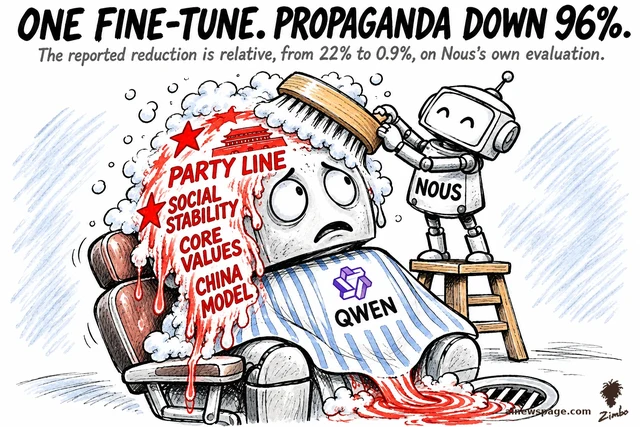 THE GREAT BRAINWASH
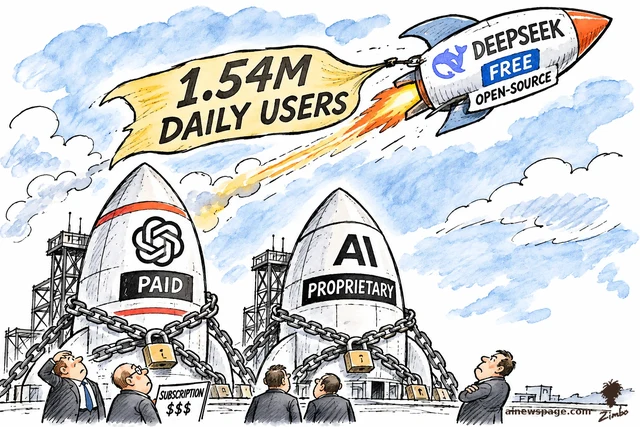 THE LITTLE ROCKET THAT COULD
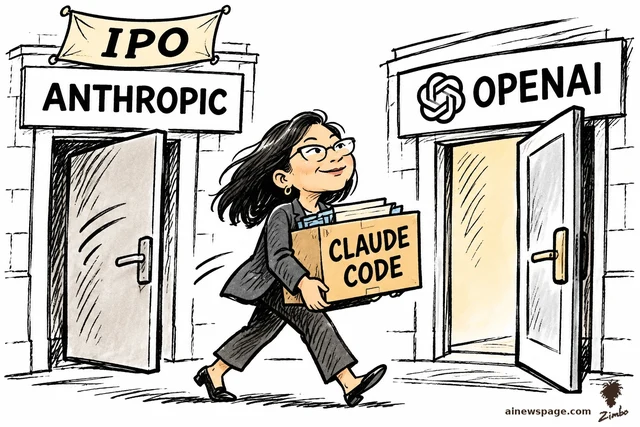 THE REVOLVING DOOR