1
Sep 30, 2026
SHE GOT HER VOICE BACK FROM A CHIP
VIA Medical Design & Outsourcing
OPEN THE RECEIPTS →NEURALINK DECODED A THOUGHT INTO SPEECH. PARADROMICS GAVE BACK A VOICE. NOW A ROBOT PLANTS THE CHIPS.
FILE UPDATED Oct 13, 2026
WHY THIS MATTERS
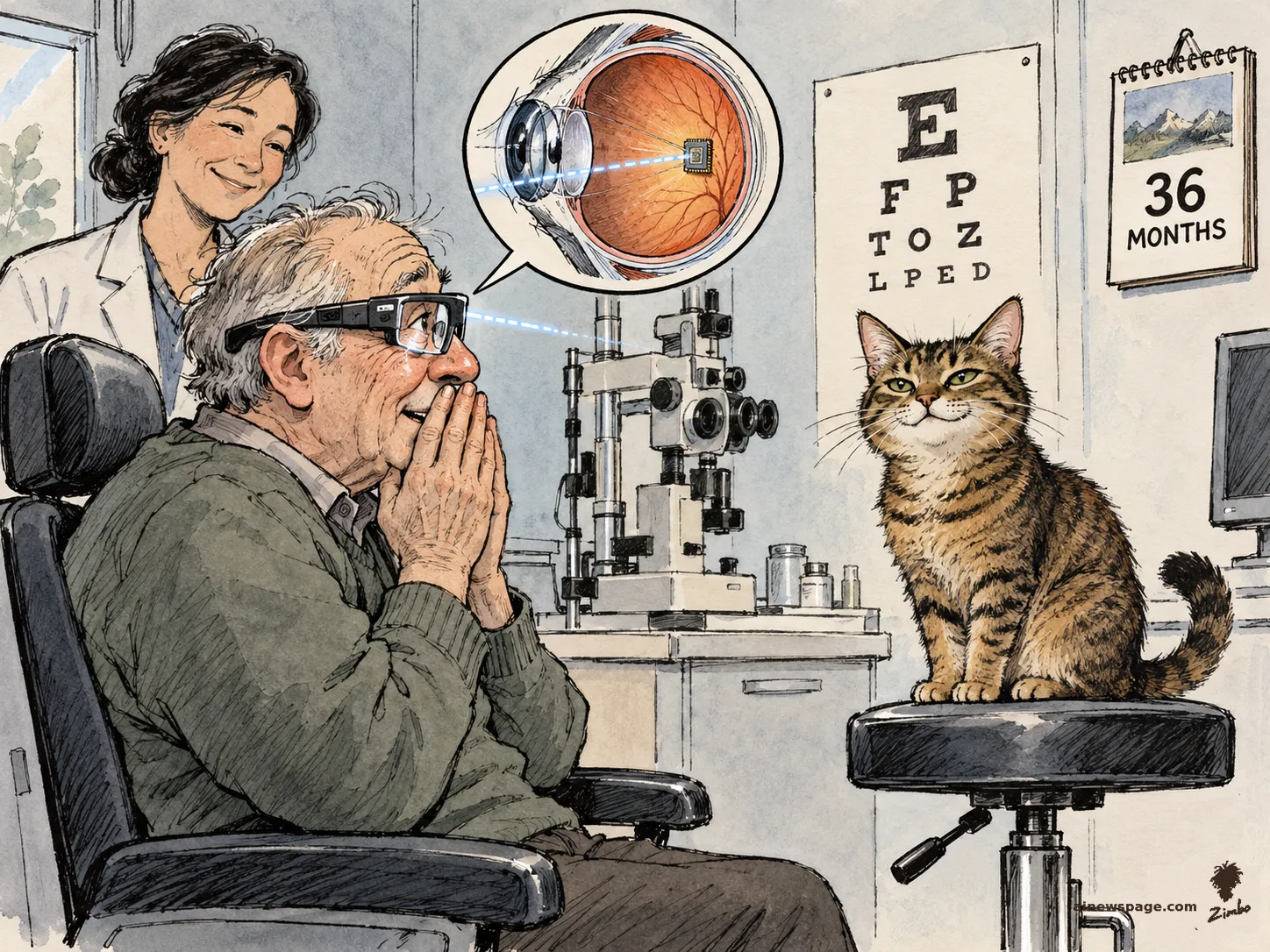
Science Corp's PRIMA implant delivered a mean gain of 29 letters on the eye chart at 36 months, with 78% of blind geographic-atrophy patients gaining 15+ letters — and it's still working three years later.
SOURCES: Business WireInside BCIInteresting EngineeringMedical Design & OutsourcingStartup Fortune
THE RAP SHEET
1
Sep 30, 2026
VIA Medical Design & Outsourcing
OPEN THE RECEIPTS →2
Oct 9, 2026
VIA Business Wire
OPEN THE RECEIPTS →3
Oct 9, 2026
VIA Startup Fortune
OPEN THE RECEIPTS →ZIMBO'S READ ON The Brain-Chip Race

STILL MORE NOTES
DEEP FILE
Science Corp's PRIMA implant gave blind patients a mean gain of 29 letters on the eye chart at 36 months — 78% gained 15 letters or more. Neuralink's VOICE trial decoded ALS patient Terry's thoughts straight into audio, and its cursor-control record stands at 11.32 bits per second. Paradromics, INBRAIN, and Sam Altman's Merge Labs challenger Bridge Neurotech are all in the race now — the mind-reading chip is no longer a demo, it's a leaderboard.
Sep 23, 2026
Neuralink disclosed direct thought-to-audio speech decoding in Terry, an ALS patient and the third implantee in its VOICE trial — decoding his thoughts straight into spoken audio. The read of the moment: he thought “I love you” and his own voice said it out loud. The device remains investigational; Neuralink has not published word-error rate, speed, or vocabulary size.
SOURCES: Inside BCIreported
Sep 30, 2026
A woman's first decoded words from her Paradromics implant: “Okay, I have a lot to say” — and her first call went to her grandchildren. The brain-computer interface restores voice by design; Paradromics engineers its system for durability and longevity, building implants meant to sit in a human head for years, not weeks.
SOURCES: Medical Design & Outsourcingreported
Oct 5, 2026
Science Corp's long-term readout of the PRIMA brain-computer-interface trial: durable vision restoration in blind patients with geographic atrophy. Mean gain of 29 letters on the eye chart; 78% of patients gained 15 letters or more. Three years of working vision makes PRIMA the durability proof of the whole brain-chip race.
SOURCES: Business Wirefirst-party
Oct 6, 2026
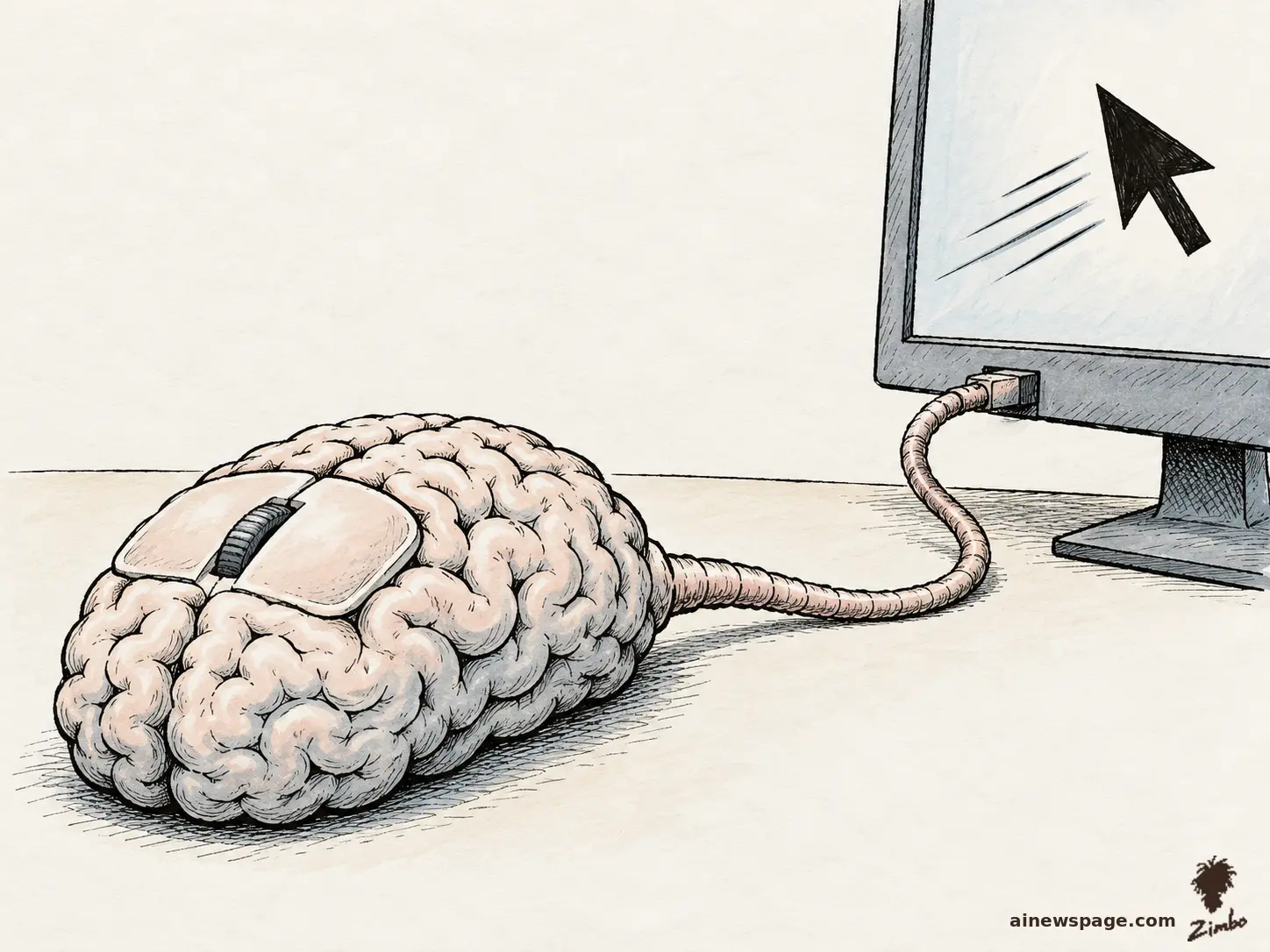
Neuralink reported a cursor-control record of 11.32 bits per second — the speed metric the whole BCI field competes on. The company says it got there by training a foundation model on more than 50,000 hours of neural activity from clinical trial participants. Speed records are the leaderboard; patients are the scoreboard.
SOURCES: Interesting Engineeringreported
Oct 9, 2026
INBRAIN Neuroelectronics and the European MINIGRAPH consortium developed magnetically-guided robotic implantation for ultra-thin graphene brain-computer interfaces — a robot surgeon to place chips too thin for human hands. The next bottleneck isn't decoding brains; it's installing the hardware without wrecking them.
SOURCES: Business Wirefirst-party
Oct 9, 2026
Bridge Neurotech emerged from stealth to challenge Sam Altman's Merge Labs in brain interfaces — led by the man who built the technology behind Altman's brain bet in the first place. The insider-outsider race is on: the builder of the tech now gets to beat it.
SOURCES: Startup Fortunereported