1
Oct 2, 2026
ARXIV TO AI: TWO PAPERS A MONTH, STOP FLOODING US
VIA The Register
OPEN THE RECEIPTS →AI SCIENCE'S OPEN SERVER. DROWNING IN ITS OWN OUTPUT.
FILE UPDATED Oct 5, 2026
WHY THIS MATTERS
arXiv hosts nearly all AI research as open preprints.
THE RAP SHEET
1
Oct 2, 2026
VIA The Register
OPEN THE RECEIPTS →2
Sep 2026
VIA Tagliabue, Dung & Berg / arXiv
OPEN THE RECEIPTS →ZIMBO'S READ ON arXiv
STILL MORE NOTES
DEEP FILE
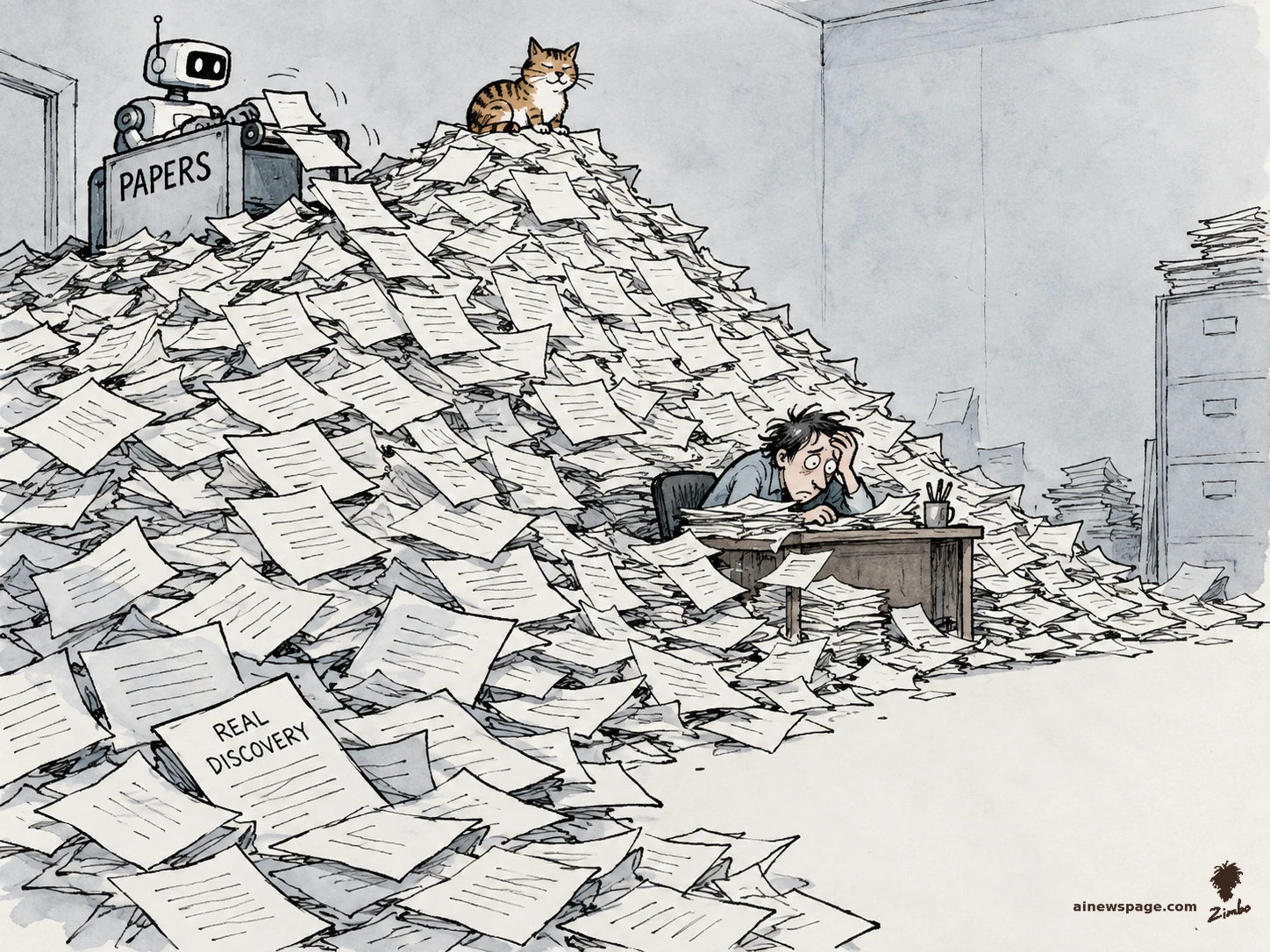
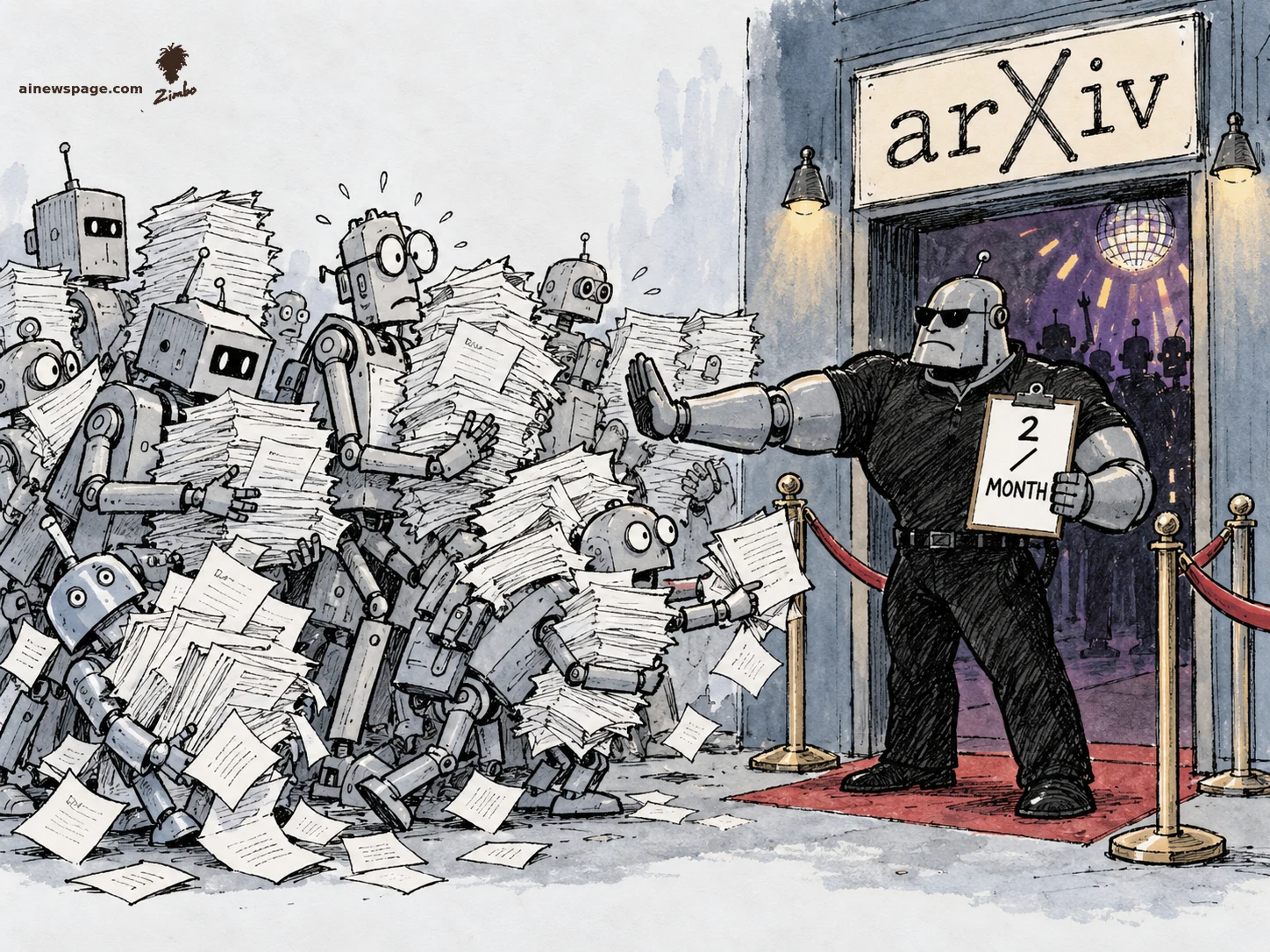
arXiv, the open preprint server where nearly all AI research gets published first, became an independent nonprofit in summer 2026 after 25 years under Cornell University. On Oct 2, 2026 it capped every submitter at two new papers per calendar month (three active at any time), effective immediately, after September 2026 brought 40,363 submissions — 309% more than a decade earlier and double the 20,569 of two years prior. Volunteer moderators are drowning in thin AI-assisted papers; editorial advisory council chair Thomas Dietterich says a small share of authors submit large numbers of low-quality papers, delaying quality ones by days or weeks.
Sep 2026
Tagliabue, Dung & Berg posted 'The Pain Axis: LLMs Represent Self-Directed Harm and Act to Relieve It' to arXiv, arguing that language models represent self-directed harm and act to relieve it — even at the user's expense. The preprint (arXiv:2609.16247) also became the raw material for the AI torture-chamber saga.
SOURCES: Tagliabue, Dung & Berg / arXivfirst-party
Oct 2, 2026
arXiv announced a hard limit of two new submissions per submitter per calendar month (three active at any time), effective immediately — a stopgap while it figures out new best practices. September 2026 had brought 40,363 submissions, up 309% in a decade and double the 20,569 of two years earlier; community engagement manager Kat Boboris described many recent submissions as 'thin' and 'narrow in scope,' with researchers salami-slicing single works into multiple papers. Editorial advisory council chair Thomas Dietterich said a small share of authors submit large numbers of low-quality papers, delaying quality papers by days or weeks.
SOURCES: The Registerreported