01
50% IN ONE MONTH IS THE HYPERINFLATION LINE
The IMF's historical survey uses economist Phillip Cagan's threshold: hyperinflation begins when the monthly price increase exceeds 50%. An AI-linked rise in electricity or hardware prices is not, by itself, anything close to this economy-wide phenomenon. A frightening power bill is not a collapsed currency.
02
THE FED SAYS AI IS ALREADY PUSHING SOME PRICES UP
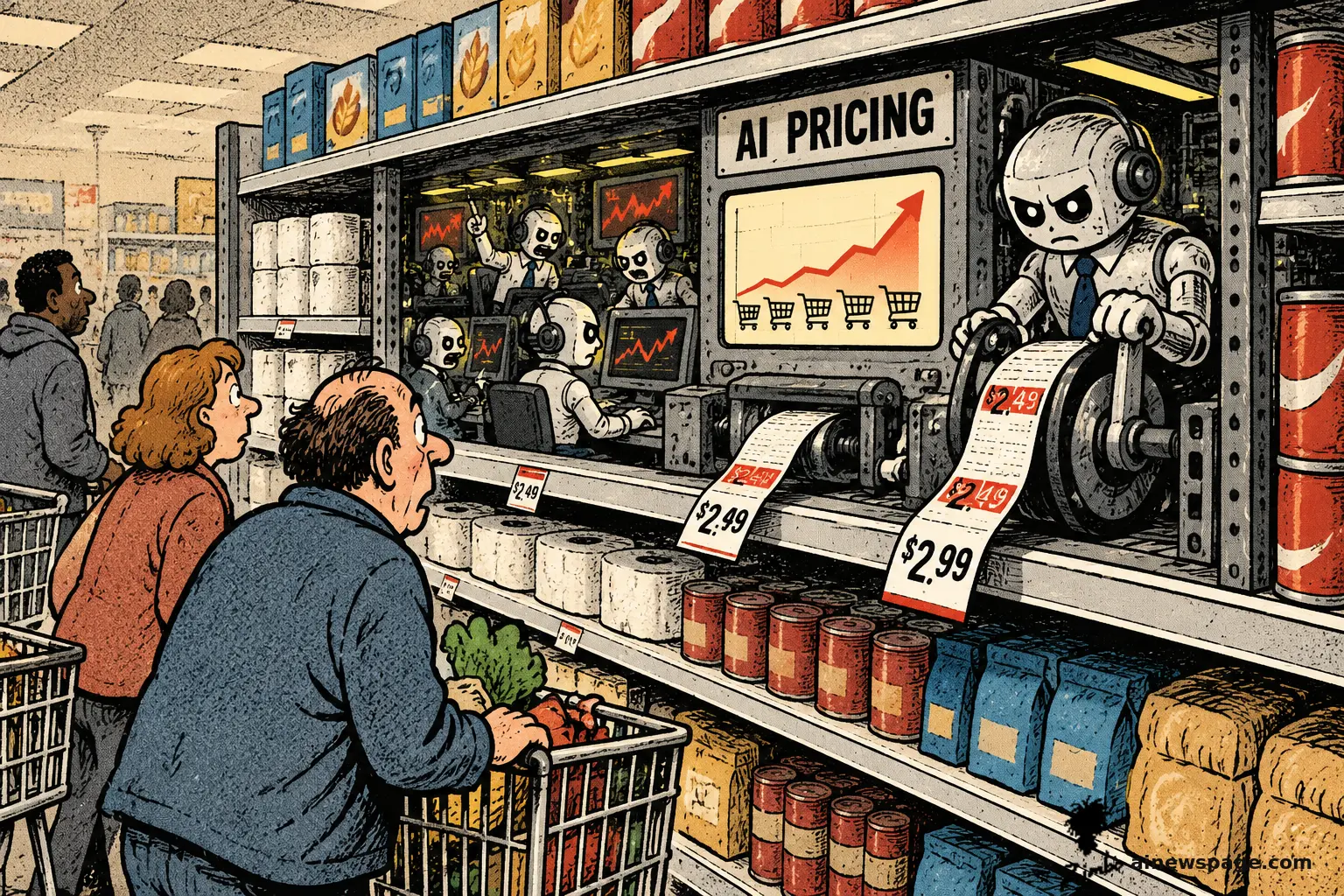
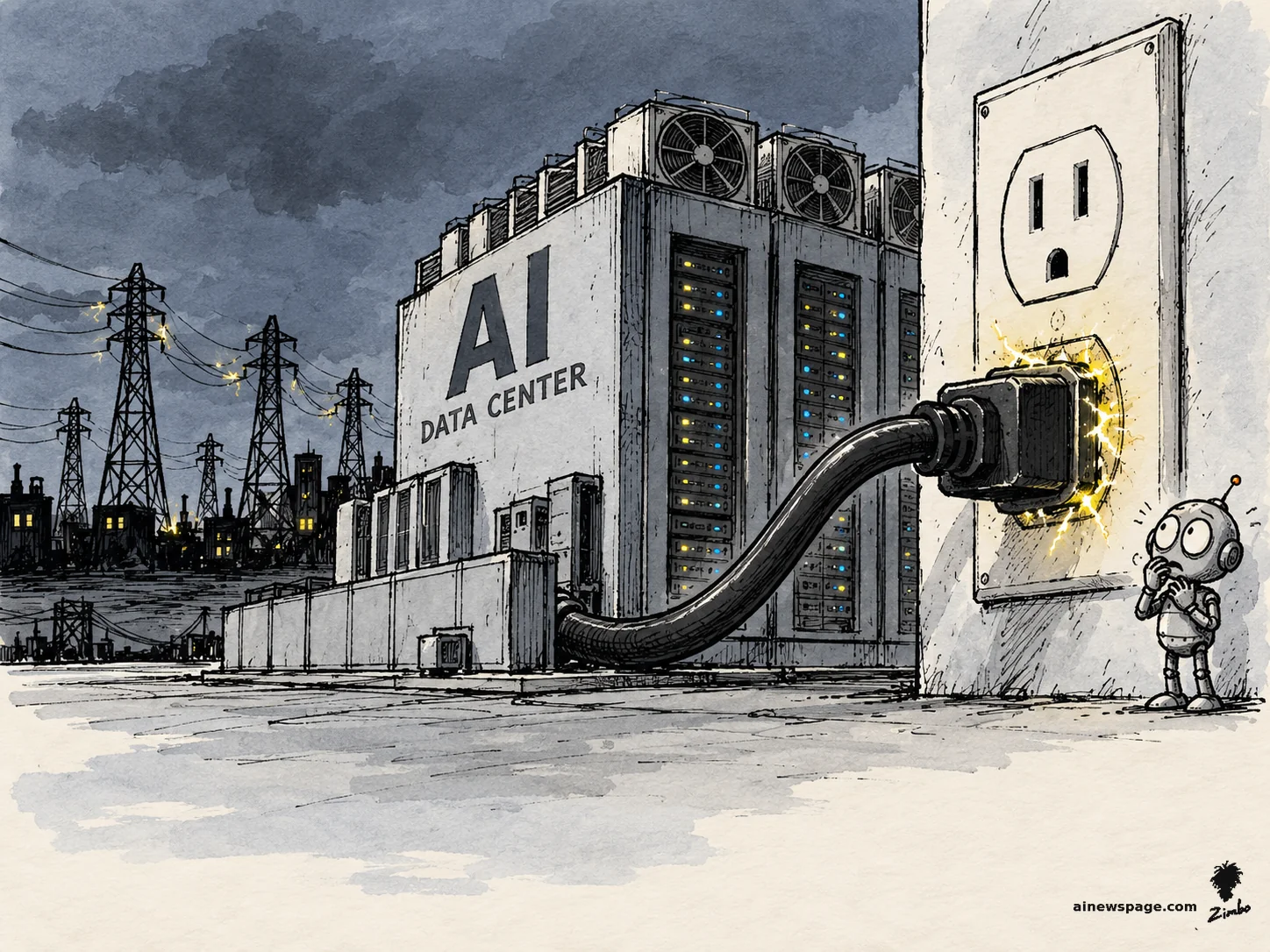
In a September 28, 2026 speech, Fed Governor Lisa Cook said AI-driven investment has raised prices for AI goods and is putting pressure on broadly shared inputs such as energy and construction labor. She also said productivity gains might modestly ease inflation later, with timing uncertain. The inflationary construction bill comes before the productivity rebate.
03
A BIS MODEL FINDS BOTH INFLATION AND DISINFLATION
BIS economists modeled AI as a productivity improvement across sectors. More supply can reduce inflation, but spending on adoption and higher expected incomes can increase demand and prices. Their inflation result changes with what households and firms expect, and when. The answer depends on which arrives first: the new supply or the new spending.
04
THE IMF EXPLAINS HOW A REAL CURRENCY SPIRAL BEGINS
IMF fiscal guidance says financing government deficits through money creation can feed inflation once money growth exceeds the public's willingness to hold it. As people flee the currency, governments can collect less real revenue from printing, worsening the spiral. The runaway money mechanism is institutional and fiscal, not technological.
05
CENTRAL BANKERS ARE WATCHING MORE THAN THE PRICE OF CHIPS
A 2025 BIS central-banking speech describes competing channels: AI can lift energy demand and prices while also cutting unit labor costs and improving grid efficiency. A 2026 New York Fed staff report describes additional risks from changed price setting, expectations, and elevated AI-linked asset valuations. The economic system is exposed, but it is not a one-way inflation machine.