01
THE WORLD MAY SPEND $1 TRILLION BEFORE KNOWING WHAT IT EARNS
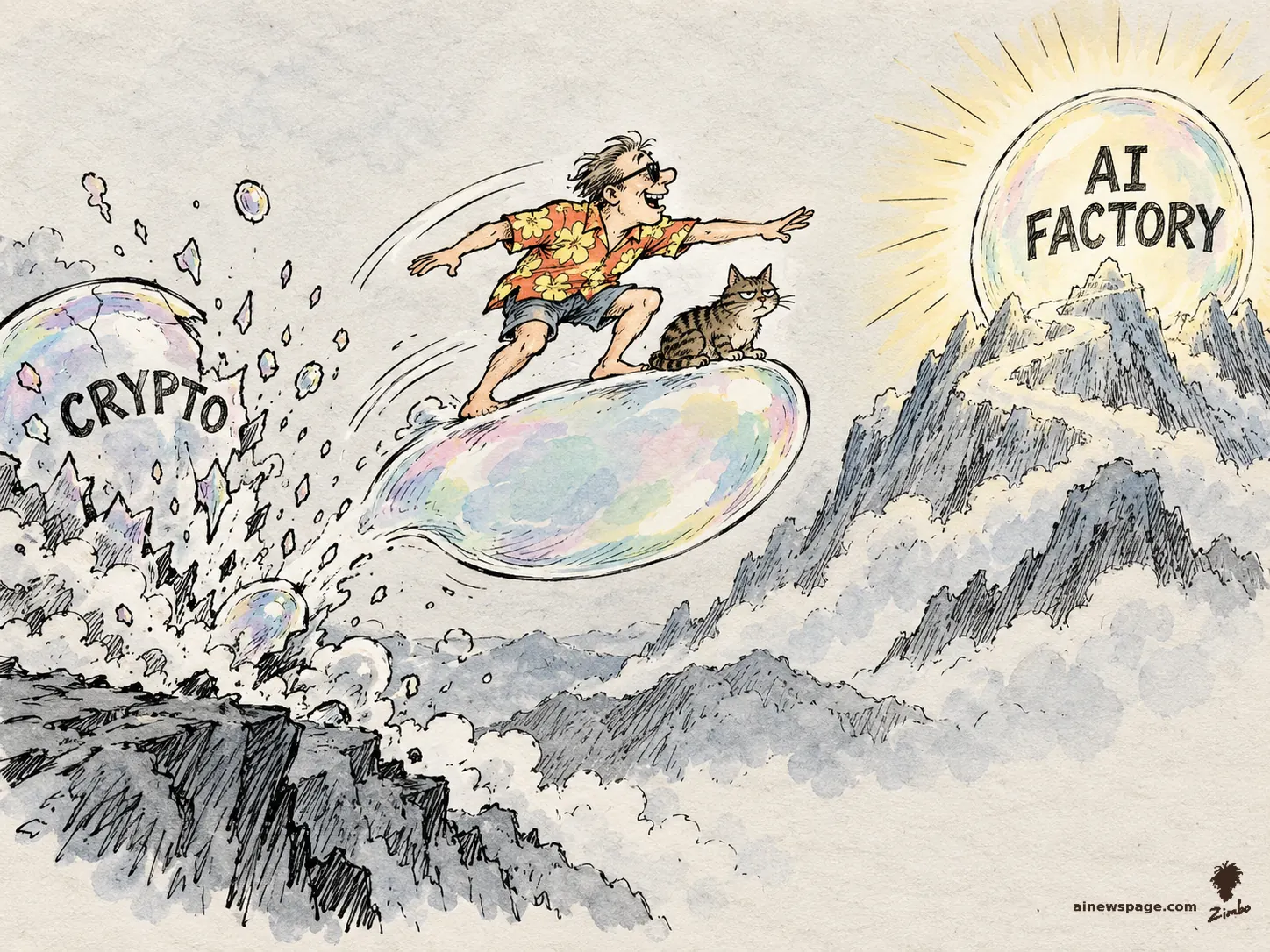
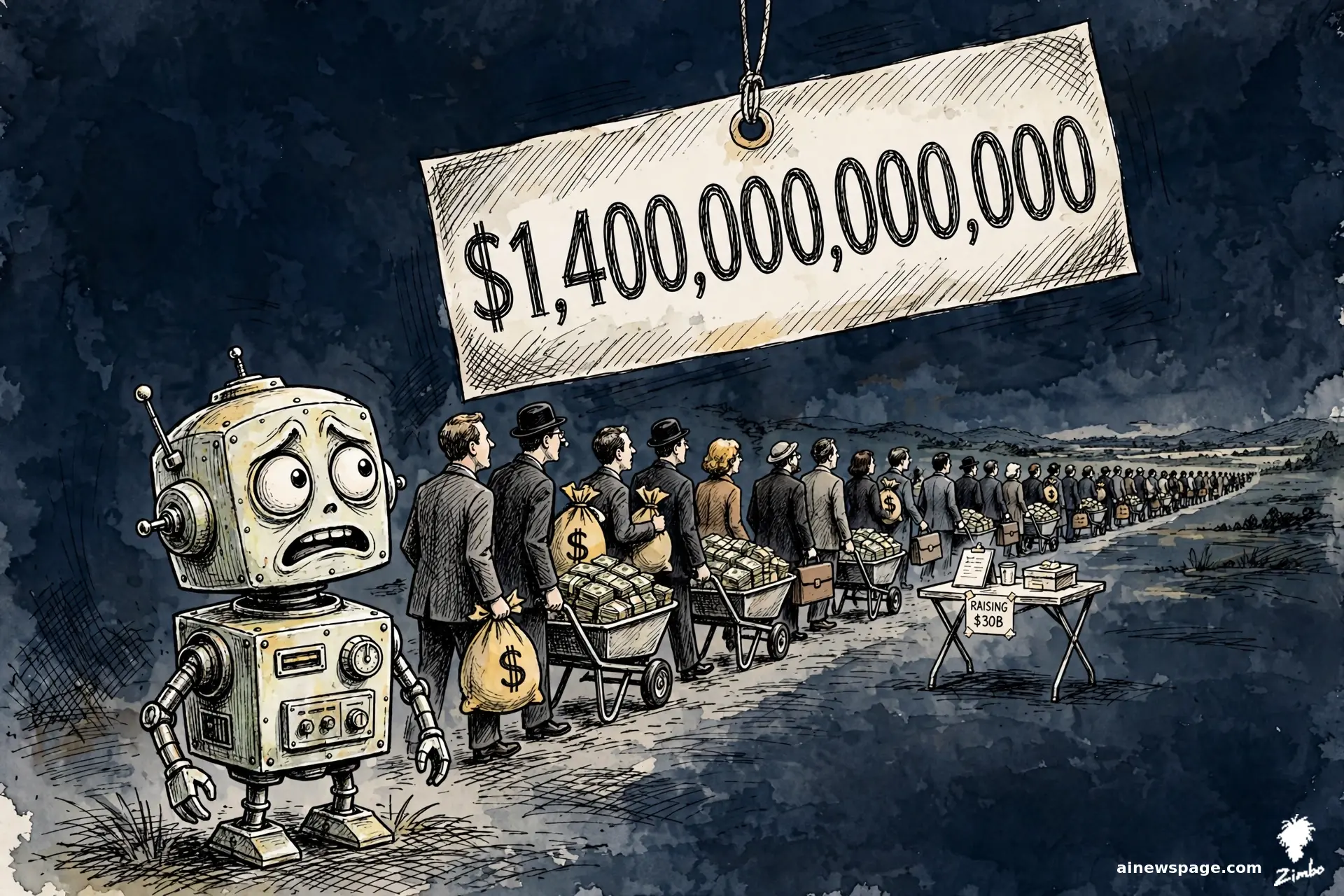
Goldman Sachs Research estimates roughly $1 trillion in global AI-related investment in 2026, including about $581 billion in the US. This is a forecast of real spending on infrastructure and related investment, not a measure of AI-company profit. If expected demand disappoints, companies can stop building long before the technology stops improving. A real factory can be a terrible financial bet.
02
YOUR INDEX FUND ALREADY OWNS THE BET
The Bank of England says the AI boom has driven global stock-market concentration, especially in the US. That matters even for investors who never deliberately bought an AI share: market-weighted index funds follow the largest companies. Federal Reserve data also show the top tenth of US households hold the overwhelming majority of corporate shares and mutual-fund equity, so the richest households would bear most direct dollar losses. Broad retirement portfolios are still exposed. Most of the dollars belong to the wealthy. That doesn't protect everyone else's pension or 401(k).
03
WALL STREET'S BAD DAY BECOMES MAIN STREET'S LOST JOB
The IMF's downside scenario runs through canceled technology investment, labor reallocation, lower equity wealth and tighter financing. A 2026 IMF analysis estimates a moderate AI stock correction plus tighter financial conditions could reduce global growth by 0.4 percentage points relative to the baseline. A smaller economy is not the same as an economic collapse, but supplier workers, recent hires, and local economies dependent on new data centers can take sharp hits. Watch the projects being canceled, not just the red numbers on trading screens.
04
BORROWED MONEY MAKES THE CRASH TRAVEL
The Bank of England reports fast-growing use of bonds, private credit and structured finance in the AI supply chain. It also says the stock of AI-related debt was still relatively modest at the beginning of 2026, limiting immediate systemic risk. The next question is whether a failed data center hurts only its equity investors or also lenders who must pull back from financing other businesses. The jump from bubble to crisis is made of loans that cannot be repaid.