The story behind the cartoon
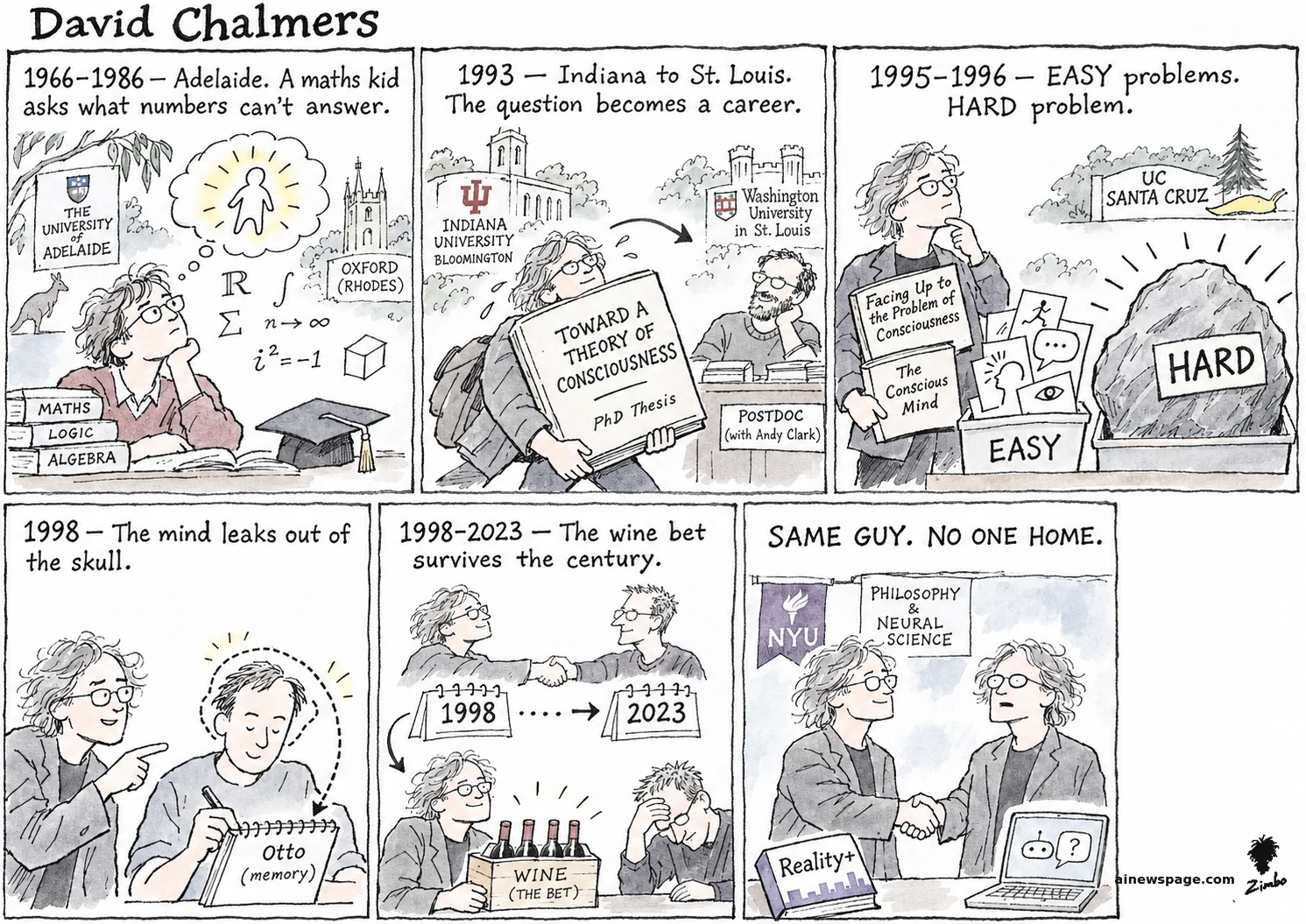
David Chalmers was born in Sydney in 1966 and grew up in Adelaide, where he studied pure mathematics at the University of Adelaide, graduating in 1986, before going to Oxford as a Rhodes Scholar. He took his PhD in philosophy and cognitive science at Indiana University Bloomington in 1993, under Douglas Hofstadter, with a thesis called Toward a Theory of Consciousness, then spent two years as a postdoctoral fellow at Washington University in St. Louis, working with Andy Clark.
In 1995 he published “Facing Up to the Problem of Consciousness,” the paper that split the field in two: the easy problems — explaining behavior, attention, report — and the one hard problem, why any of it feels like anything at all. The Conscious Mind followed in 1996, and his first professorship, at UC Santa Cruz, had begun in August 1995. In 1998, with Clark, he published “The Extended Mind,” arguing that Otto’s notebook counts as part of Otto’s memory — the mind leaks out of the skull.
That same year he bet neuroscientist Christof Koch a case of wine that the neural basis of consciousness would not be cracked by 2023. Koch conceded in 2023, and Chalmers collected. He is now professor of philosophy and neural science at New York University and co-director of its Center for Mind, Brain, and Consciousness; his 2022 book Reality+ argues virtual reality is genuine reality, and his 2023 NeurIPS keynote asked whether a large language model could be conscious — concluding that within a decade, systems may be serious candidates.
The joke in Zimbo’s strip is the zombie made literal: Chalmers shakes hands with his philosophical zombie twin — physically identical, behaviorally identical, and home to nothing at all. Same guy. No one home. The chatbot on the table, asking its own question mark, is the only one in the room still wondering.
 IS ANYBODY IN THERE?
 THE BACKUP
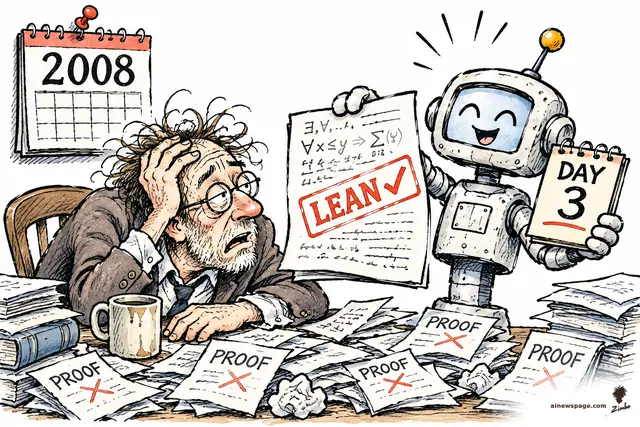 EIGHTEEN YEARS. THREE DAYS.
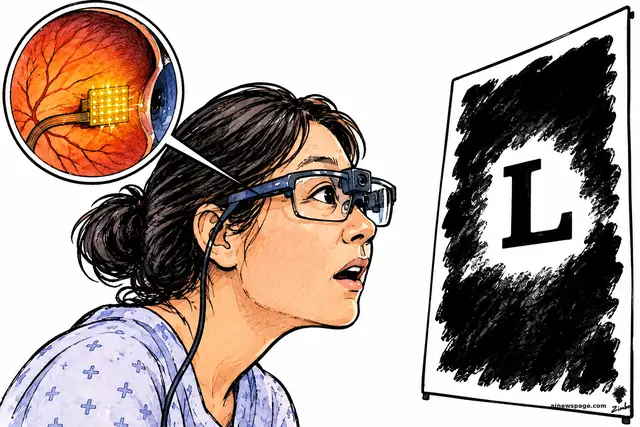 THE FIRST LETTER