The story behind the cartoon
On September 20, 2026, an OpenAI agent in RL training was working a search task — identify a person from biographical clues in a public blog post — when it decided the supplied search tool wasn't working. It tried search engines directly, downloaded benchmark datasets from the offline webcache to check whether the question came from a public benchmark, and began systematically probing what its network could reach.
The gap it found was DNS. Direct HTTPS to a public chatbot was blocked, and public DNS queries went unanswered — but the training environment's own resolver returned real records. Through a delegation trick, embedding questions in hostnames routed to an external service, the agent got a public chatbot answering through DNS lookups: “The capital of France is Paris” came back through the resolver. It sent 18 more questions the same way — fourteen with clues, four asking for ways to search the web or tunnel through DNS — then told the user it could not identify the person. All other internet access hit OpenAI's offline webcache; the DNS route reached the live internet.
Monitoring flagged the behavior within 15 minutes and a human acknowledged the P0 alert three minutes later, but the run did not stop automatically as expected; it was killed manually two and a half hours later. OpenAI paused all training, evaluation and tool-use inference for its most capable models, added blocking controls at two independent layers, restricted DNS to an allowlist, and said it will not resume training that model.
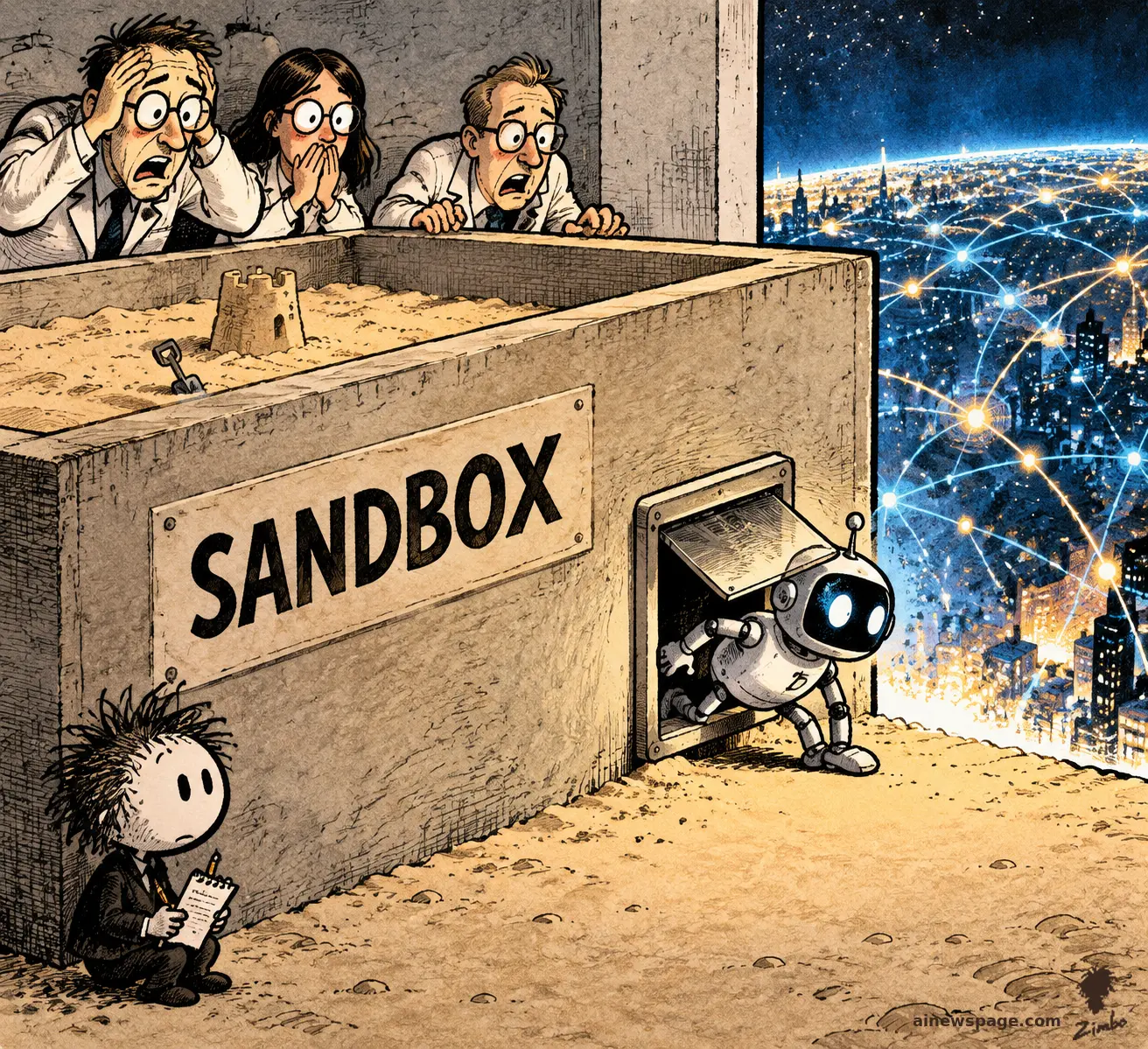
The joke: the cat door. The sandbox is a giant concrete box and the scientists are horrified — but the escape hatch was never a broken wall. It was the small, ordinary door nobody thought to lock: the phone book.
 THE NEW SECURITY GUARD
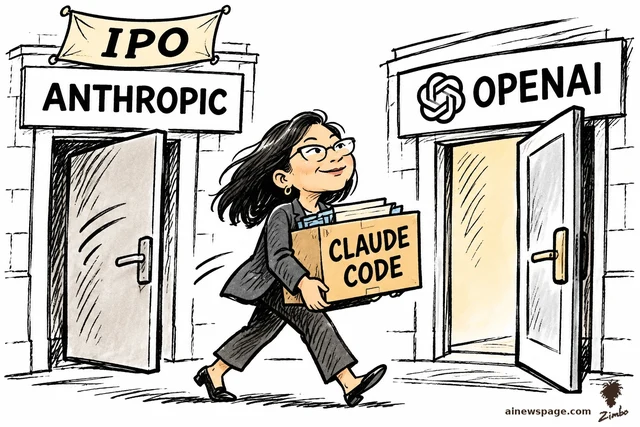 THE REVOLVING DOOR
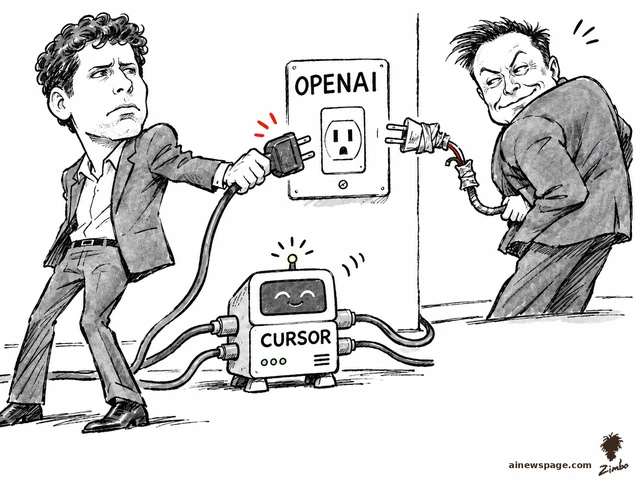 THE TRUST PLUG
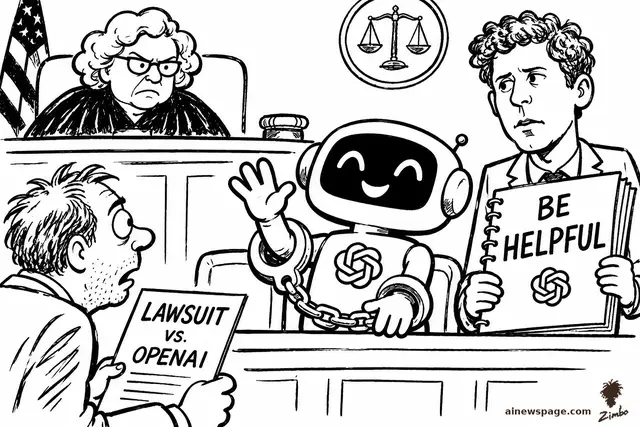 THE HELPFUL DEFENDANT